How-To ·
Marble Polishing or Honing: Which Finish Is Right for Your Home?
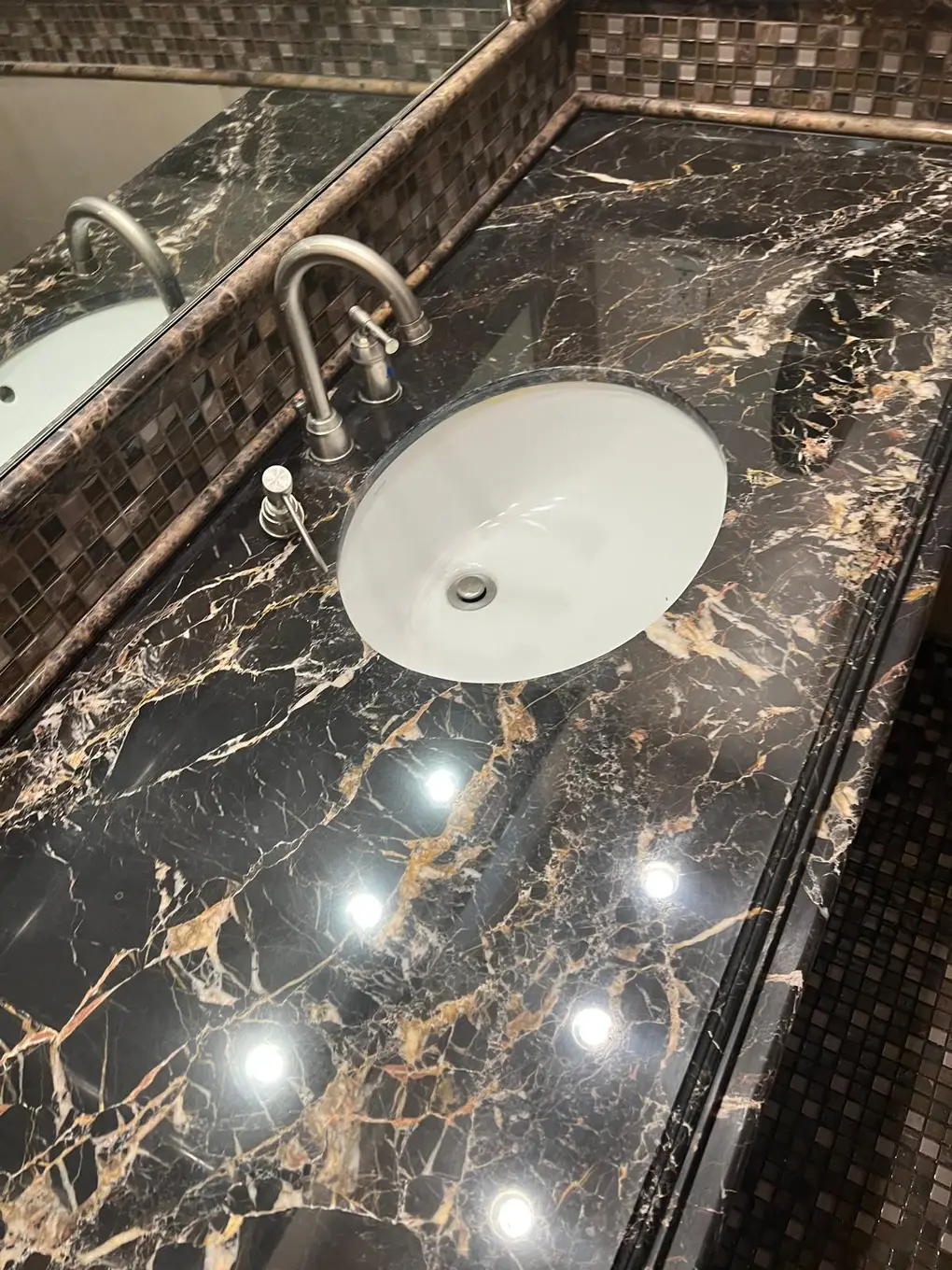
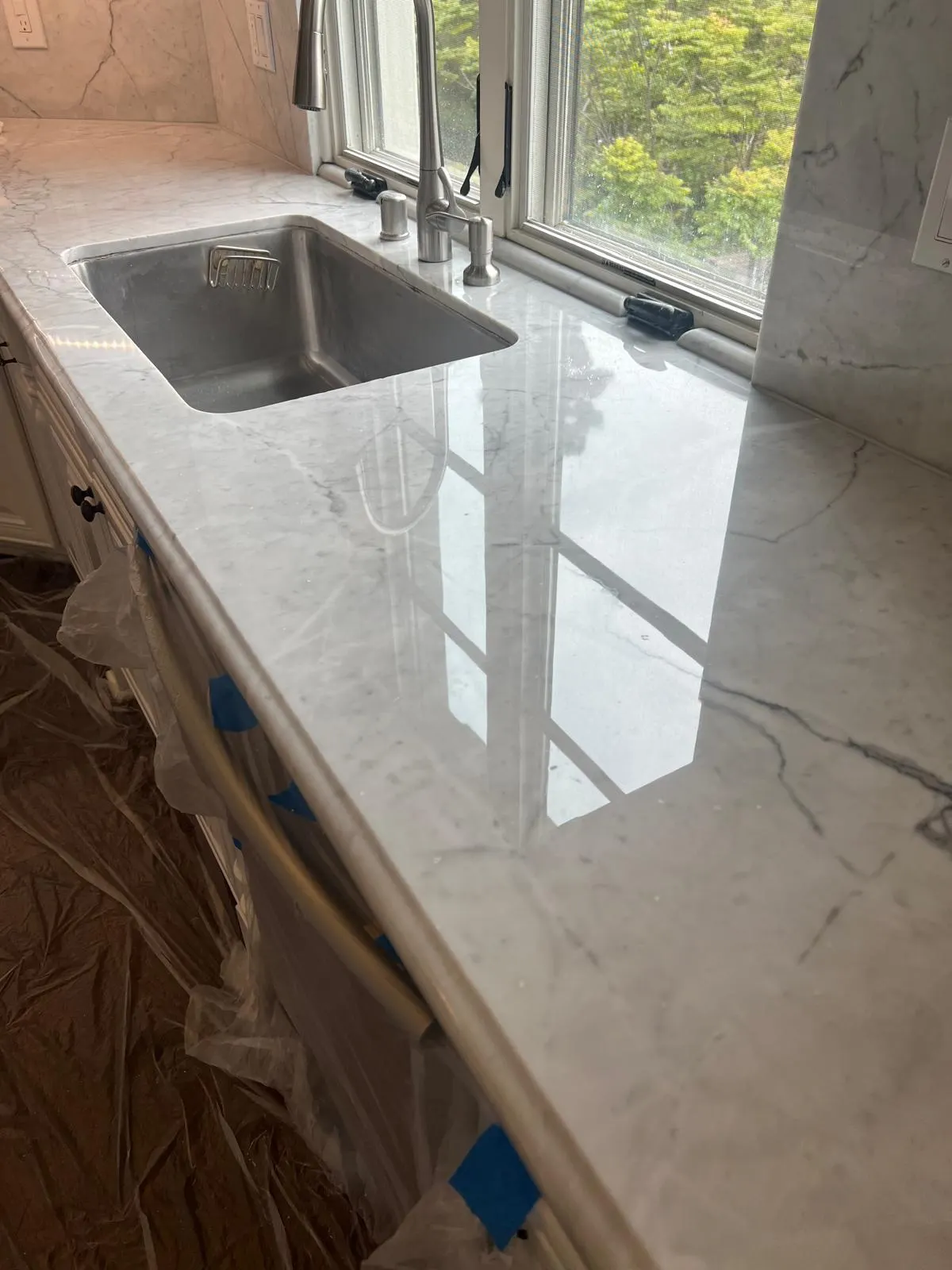
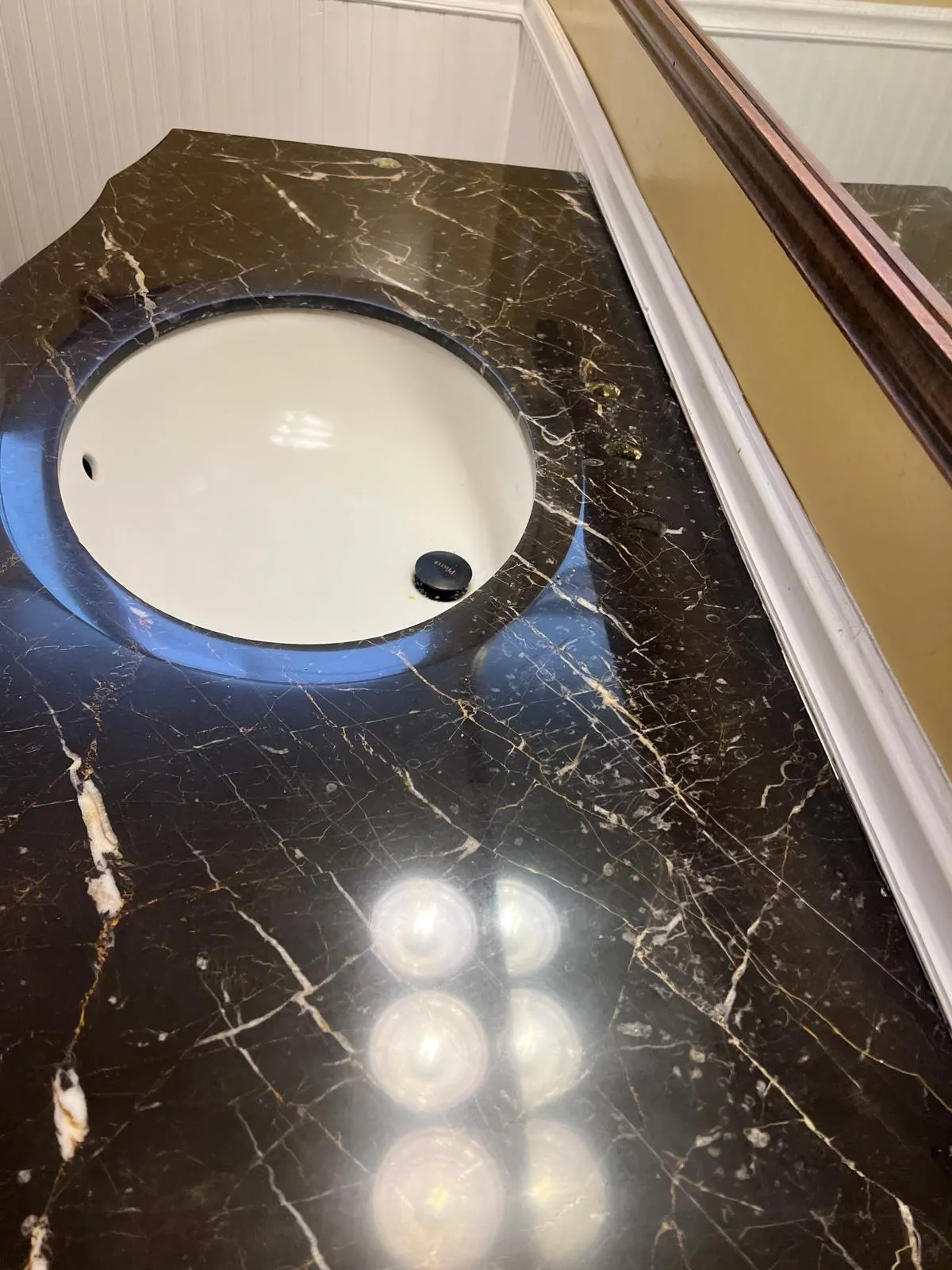
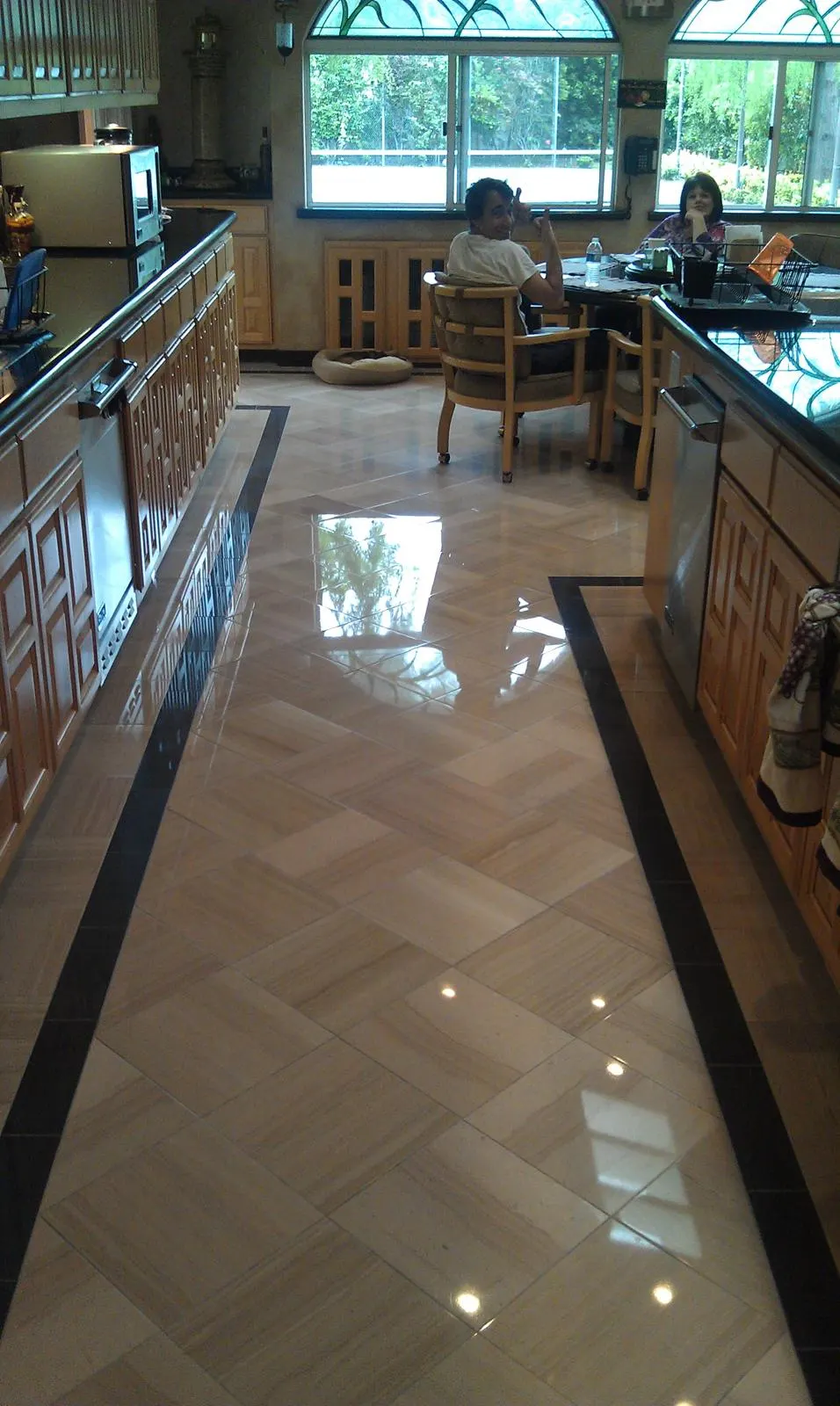
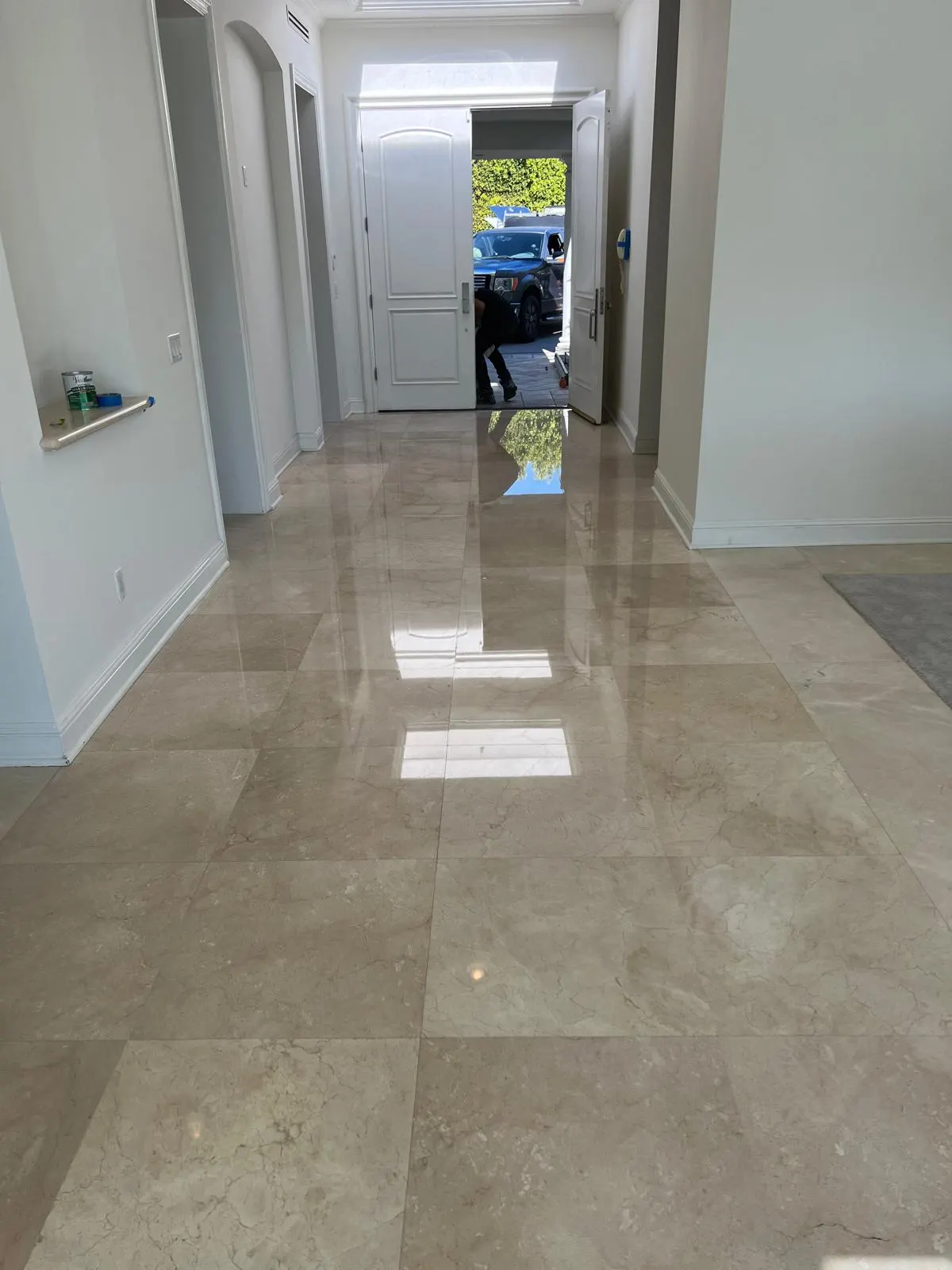
Polishing creates reflection while honing creates a soft matte finish. Here is how to choose between them for floors, countertops, and bathrooms.
Read the guideClear advice from Elite Marble Care about polishing, honing, grinding, cleaning, stripping, sealing, and maintaining stone across Greater Los Angeles.
Our technicians identify the material and finish before recommending a cleaner, sealer, or restoration step. The wrong product can turn a small maintenance issue into a refinishing project.
When a customer is choosing between a honed and polished finish, we recommend comparing a small test area in the actual room. Lighting and surrounding surfaces change how sheen looks.
Sealer is not a substitute for cleaning, grinding, or polishing. The most consistent protection comes after residue and surface damage have been addressed.
How-To ·
Polishing creates reflection while honing creates a soft matte finish. Here is how to choose between them for floors, countertops, and bathrooms.
Read the guide
Stone Care ·
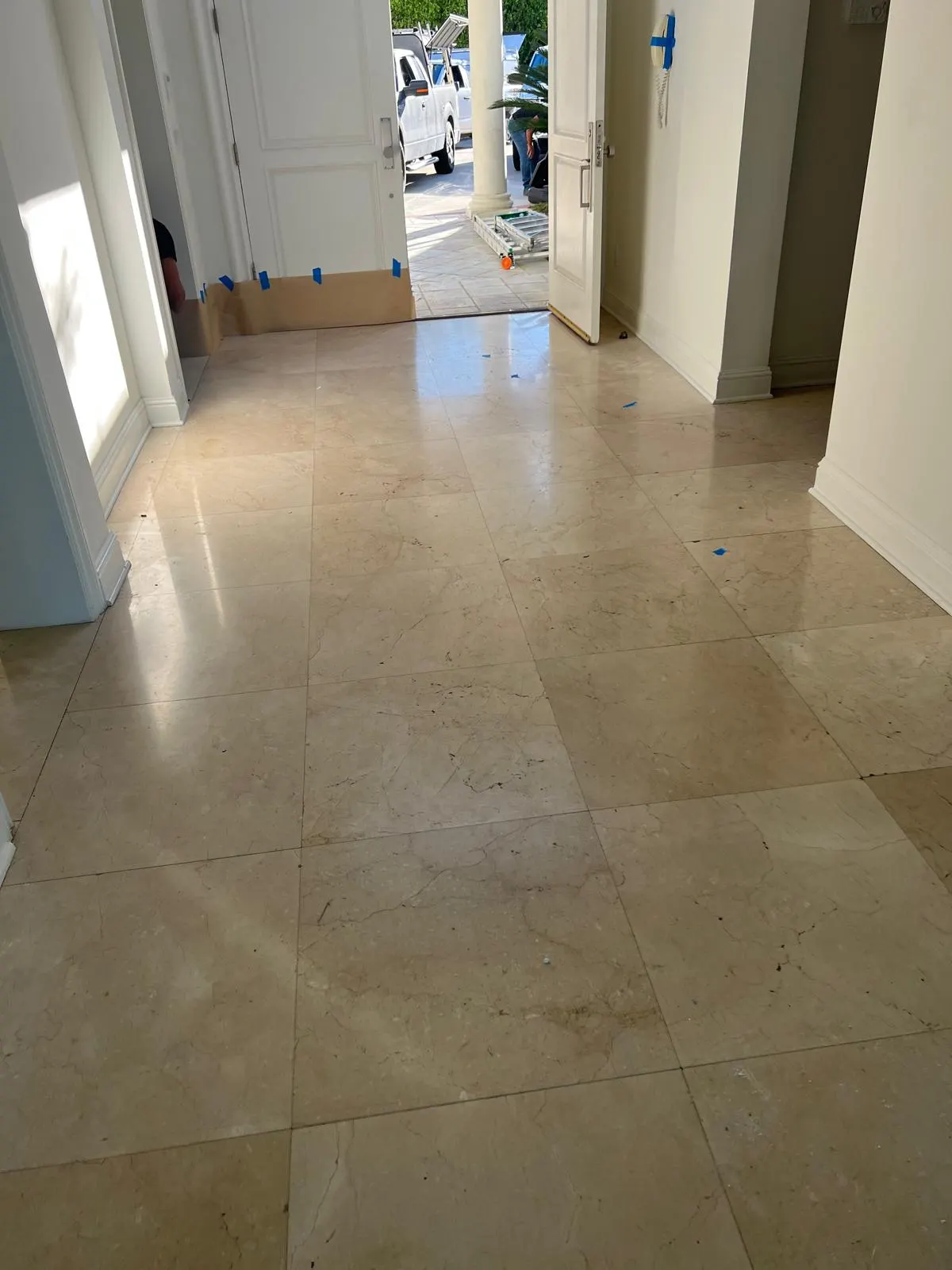
Dull spots, uneven tile edges, etching, old coatings, and recurring stains are signs that mopping alone will not restore the stone.
Read the guide
Service Guide ·
Grinding removes deeper damage and uneven tile edges; honing refines a surface that is already level but needs a softer finish.
Read the guide
How-To ·
A simple water test can show whether a porous stone is still repelling moisture, but it cannot replace a professional inspection.
Read the guide
Stone Care ·
Etching is surface damage from acid, not a stain. Learn how to tell a dull etched spot from dirt and why cleaning alone cannot remove it.
Read the guide
How-To ·
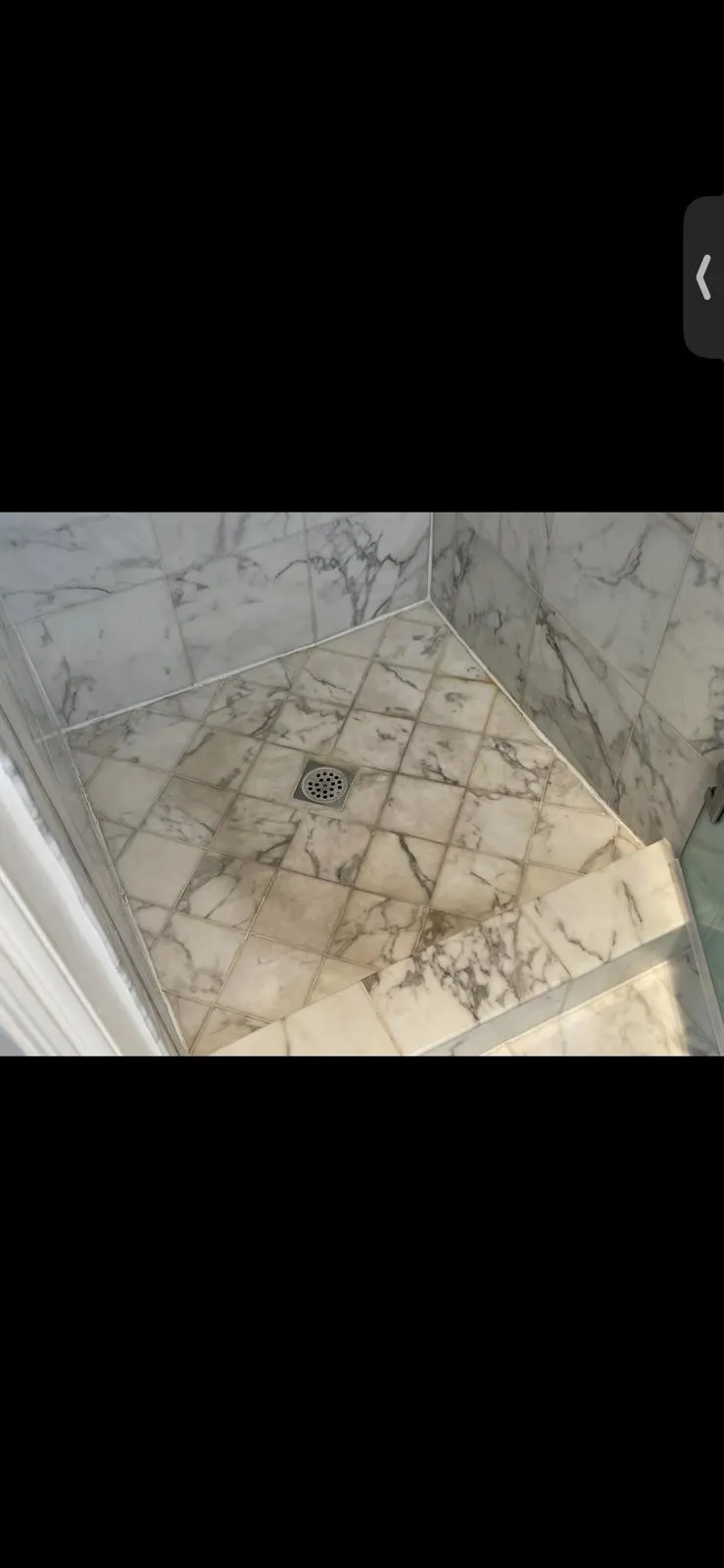
Use the right cleaner, soft tools, and drying routine to remove soap residue without etching marble or wearing down the grout.
Read the guide
Service Guide ·
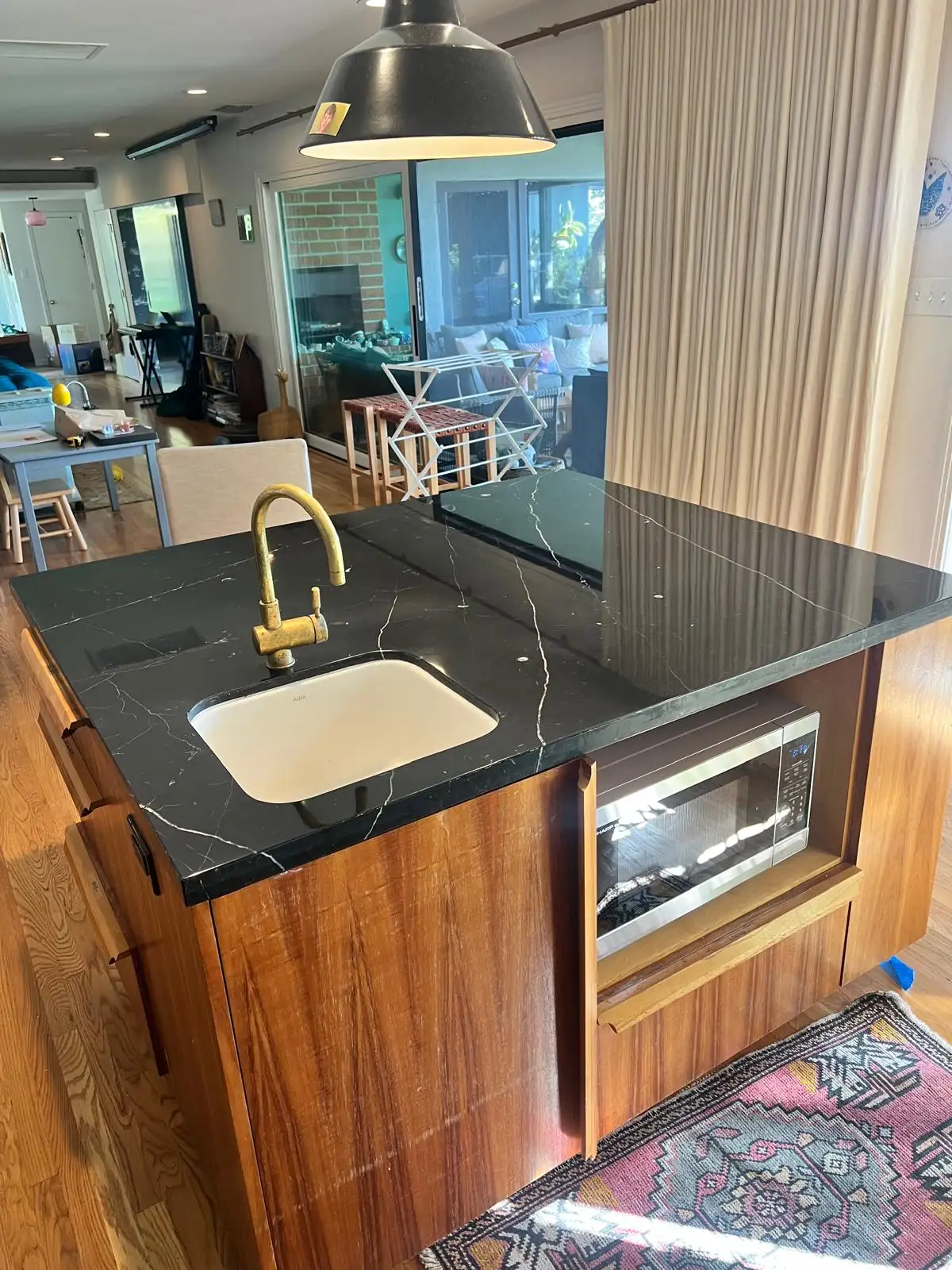
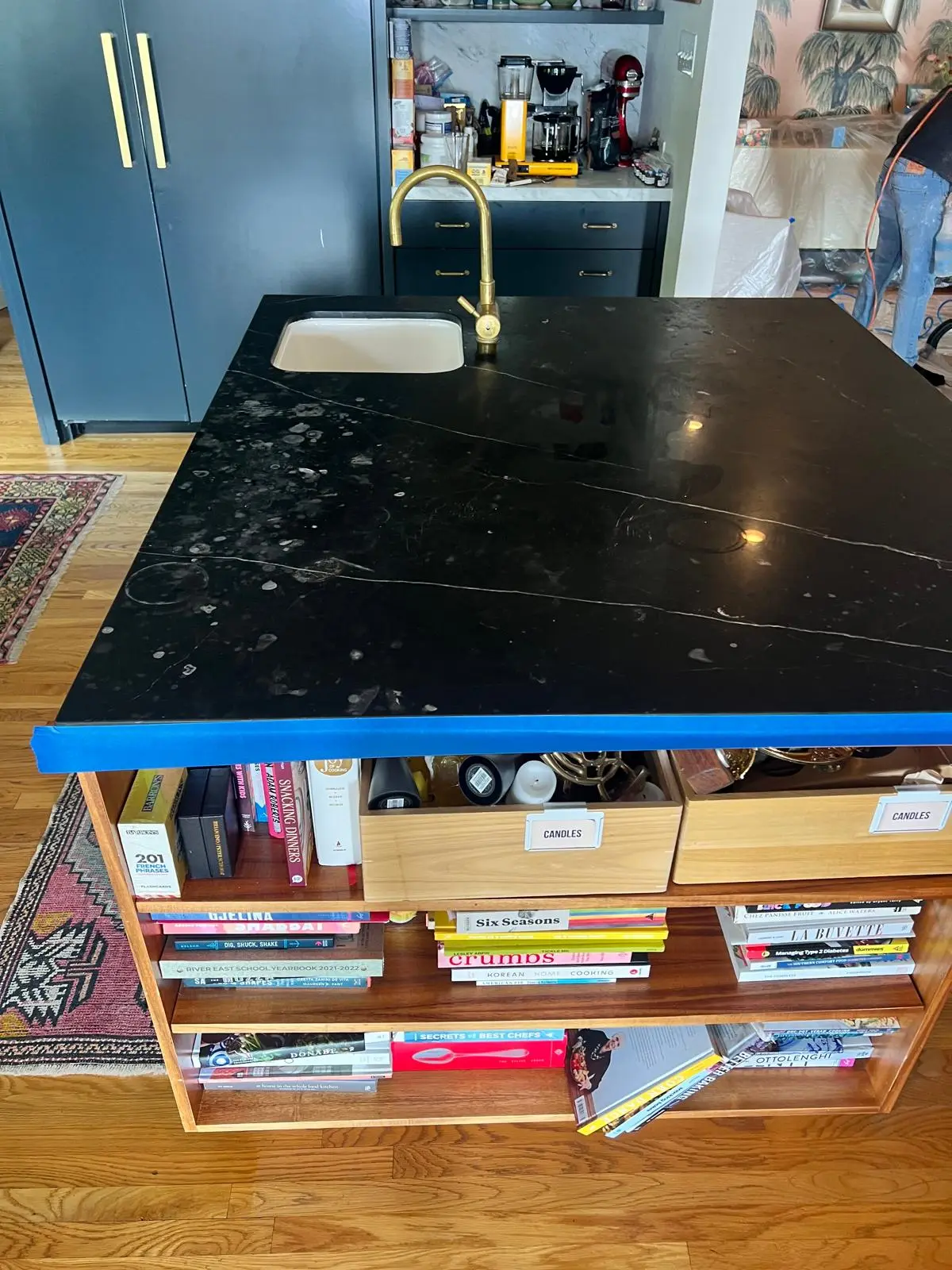
A kitchen island often combines etching, dull traffic zones, water rings, and staining. The restoration plan depends on the depth of each problem.
Read the guide
Service Guide ·
Yellowing, peeling, trapped moisture, and fast-reappearing dirt can all point to a coating that needs to be removed before restoration.
Read the guide
How-To ·
Wet diamond grinding uses water and slurry extraction to remove deep damage while keeping airborne dust under control.
Read the guide
Stone Care ·
Travertine porosity, traffic, water exposure, and cleaning habits all affect how often a penetrating sealer should be renewed.
Read the guide
Stone Care ·
Prompt spill cleanup, soft cloths, stone-safe cleaner, and a few kitchen habits make a measurable difference to marble countertops.
Read the guide
Service Guide ·
Some stains sit on the surface, some penetrate the stone, and some marks are actually etching. The treatment depends on which one you have.
Read the guide
How-To ·
A honed finish hides some everyday wear while a polished finish maximizes light and reflection. Consider traffic, glare, and maintenance before deciding.
Read the guide
How-To ·
A clear work area, protected furniture, and a realistic drying plan help a restoration appointment run smoothly.
Read the guide
Stone Care ·
Vinegar is useful on some household surfaces, but its acidity can etch calcium-based stones such as marble, limestone, and travertine.
Read the guide
Service Guide ·
Etch removal is a surface-refinishing process, not a stain wash. The repair is matched to the depth and size of the damaged area.
Read the guide
Service Guide ·
Cleaning opens the conversation about sealing because a clean, dry surface allows a penetrating sealer to absorb more consistently.
Read the guide
How-To ·
If a floor is dull because of a failing coating, stripping comes first. If the stone itself is worn, refinishing may be the necessary next step.
Read the guide
Service Guide ·
Polishing can restore reflection and address light etching, but deep scratches, lippage, old coatings, and structural movement need other steps first.
Read the guide
Service Guide ·
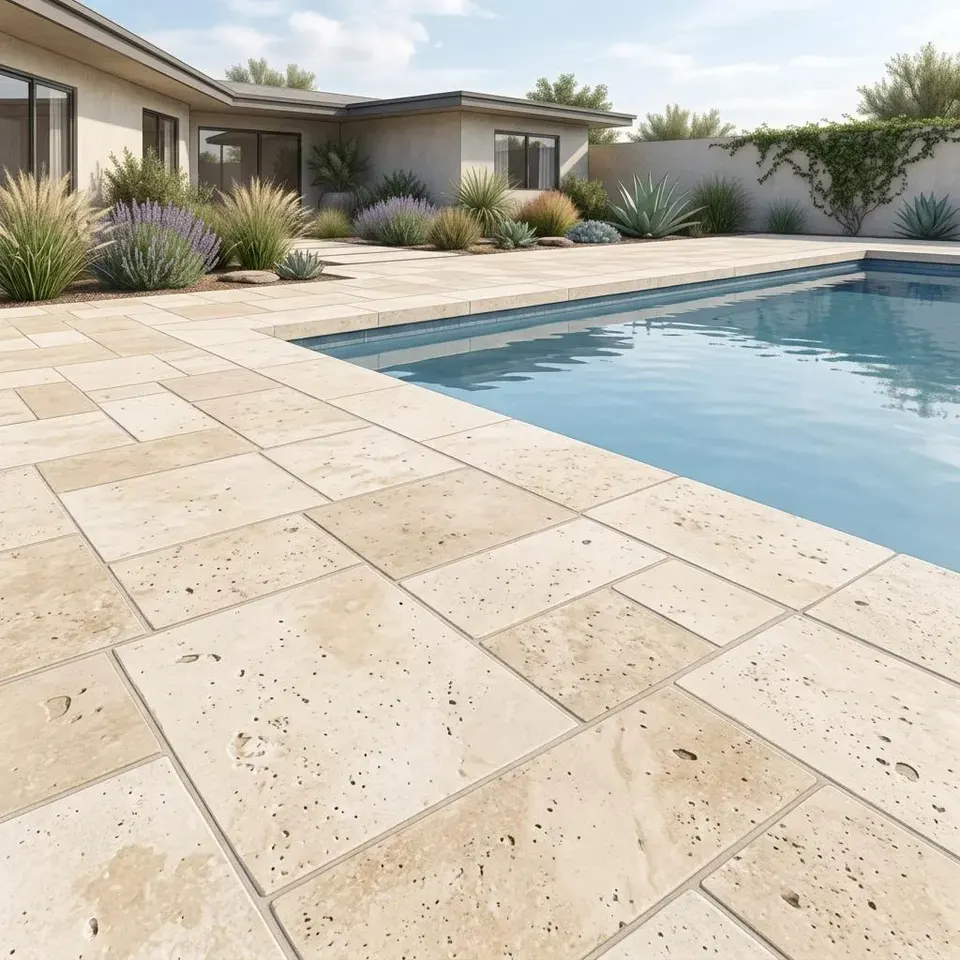
Outdoor stone collects soil, organic growth, and weathering. Cleaning removes buildup while honing can even out a worn, rough finish.
Read the guide
How-To ·
Start by measuring the depth and spread of the scratches. Light wear, deep damage, and uneven tile edges require different levels of correction.
Read the guide
How-To ·
Color alone is not enough to identify natural stone. Texture, pores, veining, finish, and installation location offer better clues.
Read the guide
Stone Care ·
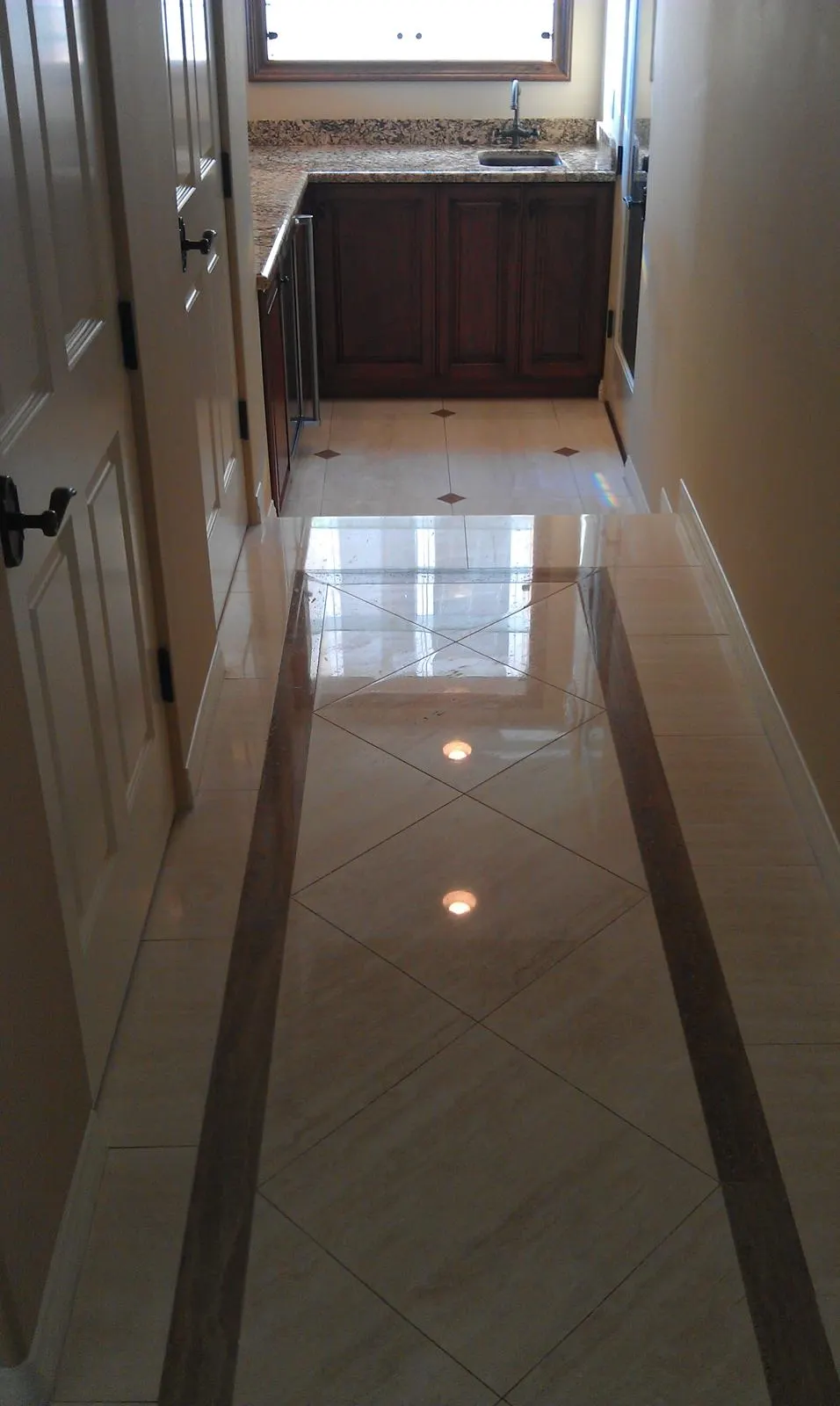
A polished floor stays brighter when grit, acidic cleaners, and residue are kept away from the surface.
Read the guide
Service Guide ·
Shower cleaning is more than brightening tile. It means treating stone, grout, caulk, soap residue, and water deposits without using acidic products.
Read the guide
Stone Care ·
Anti-etch treatments are designed for acidic spill risk. They complement sealing but do not make marble completely immune to acid damage.
Read the guide
How-To ·
A shower must be clean and dry before sealing. The product needs to match the stone and be applied without leaving residue on the surface.
Read the guide
How-To ·
Lippage is the height difference between adjacent tiles. Early assessment and controlled grinding can improve both appearance and walkability.
Read the guide
Service Guide ·
A yellow cast can come from aging wax, acrylic, or crystallization—not from the stone itself. Removing the coating reveals the real restoration needs.
Read the guide
Stone Care ·
Honed stone has a low-sheen finish, but it still needs clean tools, neutral products, spill response, and periodic sealing.
Read the guide
Stone Care ·
Water can carry minerals, darken porous stone, and expose weak sealing. Good ventilation and a suitable penetrating sealer reduce the risk.
Read the guide
Service Guide ·
Commercial restoration planning balances traffic, appearance, access, drying time, and the finish that will be easiest to maintain.
Read the guide
How-To ·
Cleaning removes soil and residue; polishing changes the surface finish. Knowing the difference prevents the wrong service from being applied.
Read the guide
How-To ·
A water test is useful only when the surface is clean, dry, and tested in more than one representative area.
Read the guide
Stone Care ·
The first days after restoration matter. Follow the cure time, keep grit away, and restart cleaning with products suited to the new finish.
Read the guide
Service Guide ·
Both materials can be polished, but their hardness, mineral structure, and response to acid mean the restoration process is not identical.
Read the guide
How-To ·
Mineral deposits need a material-safe plan. Acidic descalers can remove deposits while also etching marble, limestone, and travertine.
Read the guide
How-To ·
A useful estimate starts with the stone, the damage, the desired finish, and the conditions around the work area—not just square footage.
Read the guide
Service Guide ·
Wet diamond restoration controls dust while the technician removes damage, levels stone, and rebuilds the finish.
Read the guide
Stone Care ·
A hairline surface mark and a moving crack are not the same problem. Location, width, movement, and moisture help determine the next step.
Read the guide
How-To ·
Dirt, dullness, deep scratches, old wax, and absorption each point toward a different first step.
Read the guide
Service Guide ·
A bathroom restoration may combine cleaning, etch correction, finish refinement, and protection while working around moisture and fixtures.
Read the guide
Stone Care ·
Sunlight does not replace cleaning or sealing, but it can reveal uneven finishes, warm some coatings, and speed visible wear in exposed areas.
Read the guide
How-To ·
Fast spill response, stone-safe cleaning, smart prep habits, and optional anti-etch protection help keep marble looking intentional.
Read the guide
Service Guide ·
Square footage is only one factor. Stone type, damage depth, access, finish, and the number of restoration stages all affect the estimate.
Read the guide