What should you know about start with the label, not the scent?
Look for a cleaner specifically labeled for natural stone and, for routine use, choose a pH-neutral formula. Marble, travertine, and limestone contain minerals that can react with acidic products, even when the cleaner smells fresh or is marketed for kitchens and bathrooms.
Avoid vinegar, lemon-based sprays, acidic bathroom descalers, abrasive powders, and rough scrub pads. These can etch a polished surface, wear down a honed finish, or leave scratches that are more noticeable after the stone dries. A stronger product is not automatically a better cleaner.
What should you know about match the cleaner to the problem?
A pH-neutral stone cleaner is appropriate for dust, fingerprints, light food residue, and everyday tracked-in soil. Use a soft microfiber cloth or a non-abrasive sponge, and change the rinse water so you are not spreading dirty solution across the surface.
Soap film, hard-water deposits, oil, and embedded stains may need a different professional process. Do not keep increasing the strength of a household cleaner when the residue does not lift; repeated scrubbing can damage the finish while leaving the cause untouched.
What should you know about a simple routine protects the finish?
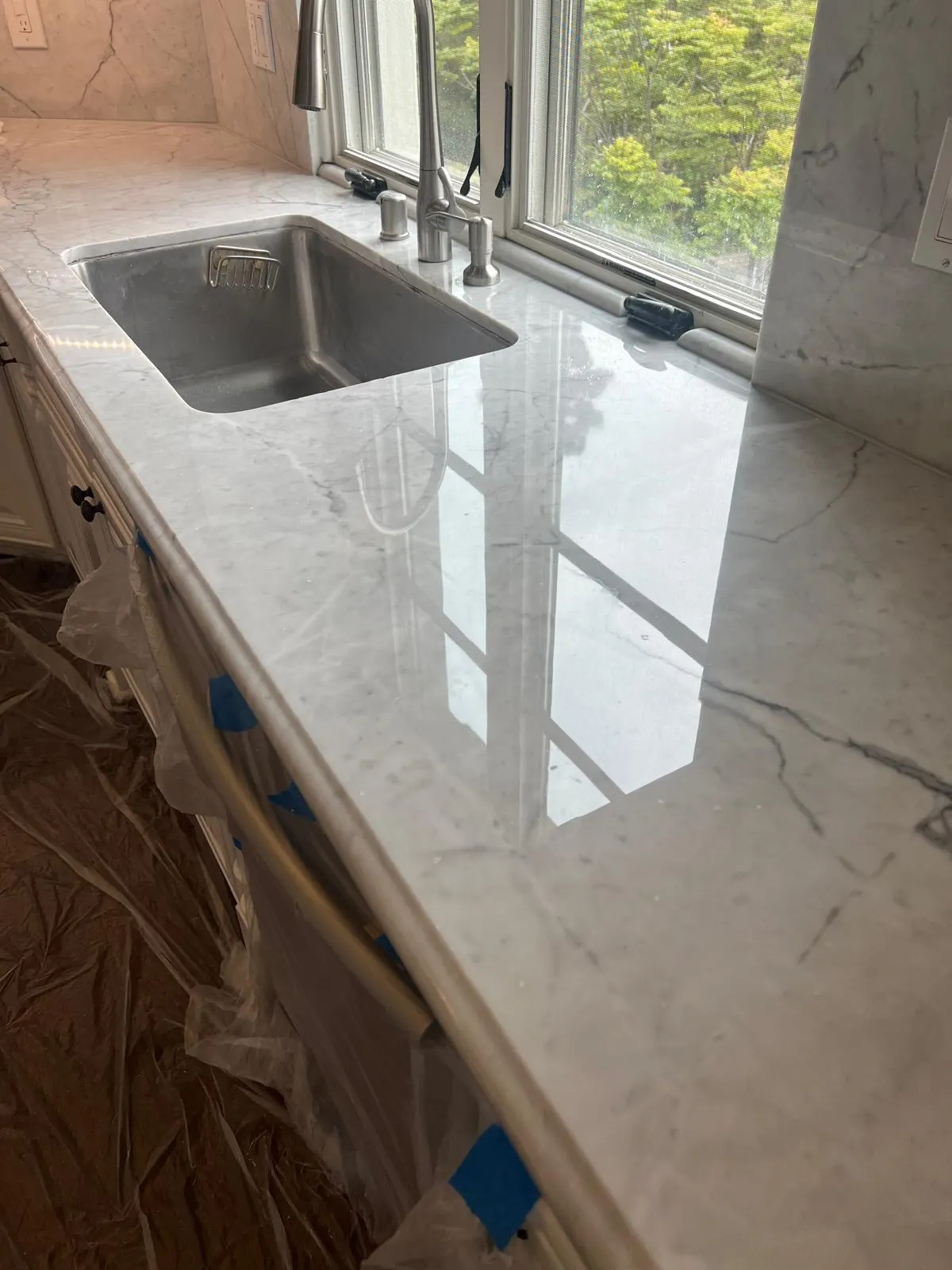
Dust or sweep stone floors before damp mopping, wipe countertop spills promptly, and dry surfaces instead of allowing water to sit around sinks and fixtures. Use a separate cloth for the floor and the kitchen or bathroom so grit and cleaning chemicals are not transferred between areas.
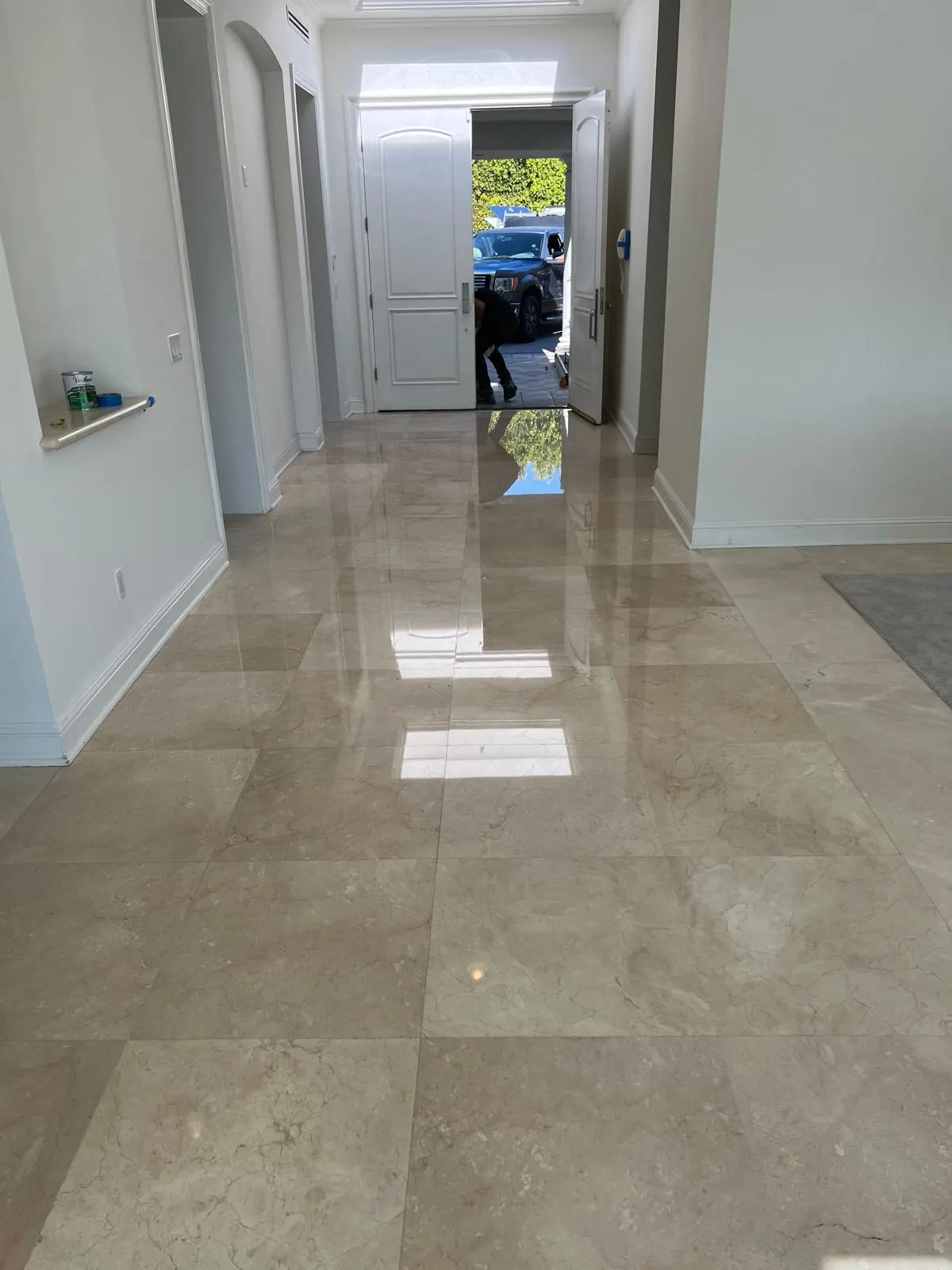
If the stone looks cloudy after cleaning, has dull rings, recurring dark areas, or buildup that returns quickly, the problem may be etching, a worn finish, old coating, or a deeper stain rather than ordinary dirt. Professional stone cleaning can identify the cause and choose a safe treatment before polishing or sealing is considered.
Quick checklist
- Identify the stone and existing finish before selecting a product.
- Record the symptom and which cleaning methods have already been tried.
- Compare the proposed treatment with a representative sample where appropriate.
- Keep the agreed scope and material-specific aftercare instructions together.
Clear answers
Frequently asked questions
What should you know about start with the label, not the scent?
Look for a cleaner specifically labeled for natural stone and, for routine use, choose a pH-neutral formula. Marble, travertine, and limestone contain minerals that can react with acidic products, even when the cleaner smells fresh or is marketed for kitchens and bathrooms.
What should you know about match the cleaner to the problem?
A pH-neutral stone cleaner is appropriate for dust, fingerprints, light food residue, and everyday tracked-in soil. Use a soft microfiber cloth or a non-abrasive sponge, and change the rinse water so you are not spreading dirty solution across the surface.
What should I include when requesting an assessment for stone cleaning?
Describe the stone, where it is installed, the finish you want to keep or change, and what happened before the problem appeared. Share any previous treatments or cleaner labels. Photographs help explain the concern, but an on-site assessment may still be needed to establish the appropriate scope and limitations.
Sources
Not sure which service your stone needs?
Elite Marble Care can assess the surface in person, explain the restoration sequence, and provide a free on-site estimate across Greater Los Angeles.