Comparing surface exposure before planning Pacific Palisades stone care
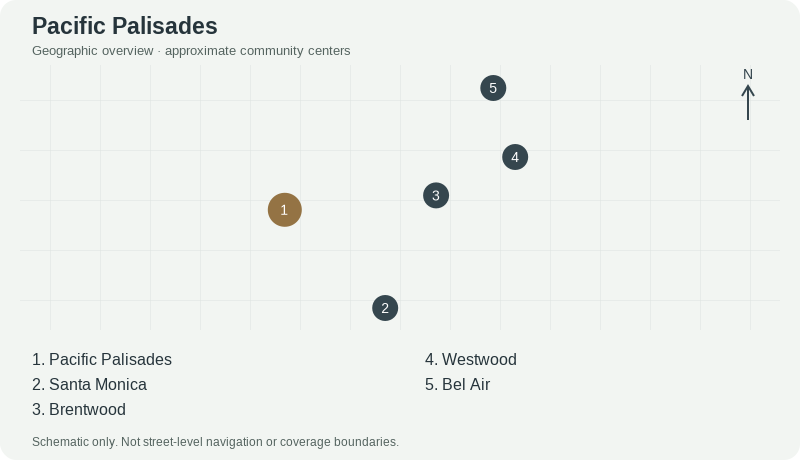
For a Pacific Palisades property, begin with the stone's present condition and location. A sheltered Riviera room, a Village entry, and an exposed Castellammare surface need not show the same problem. Explain what currently reaches the area and include both affected and protected sections in your photographs. Geographic setting can inform the conversation, but it should not become an assumed diagnosis or an unsupported account of the property's history.
An exterior residue and an interior etch require different questions. The material, repeated wetting, traffic, and cleaning products used all matter. Avoid describing every pale mark as salt damage or expecting a new sealer to remove it. A suitable assessment distinguishes surface care from moisture, installation, or other conditions that remain outside a cosmetic restoration scope.
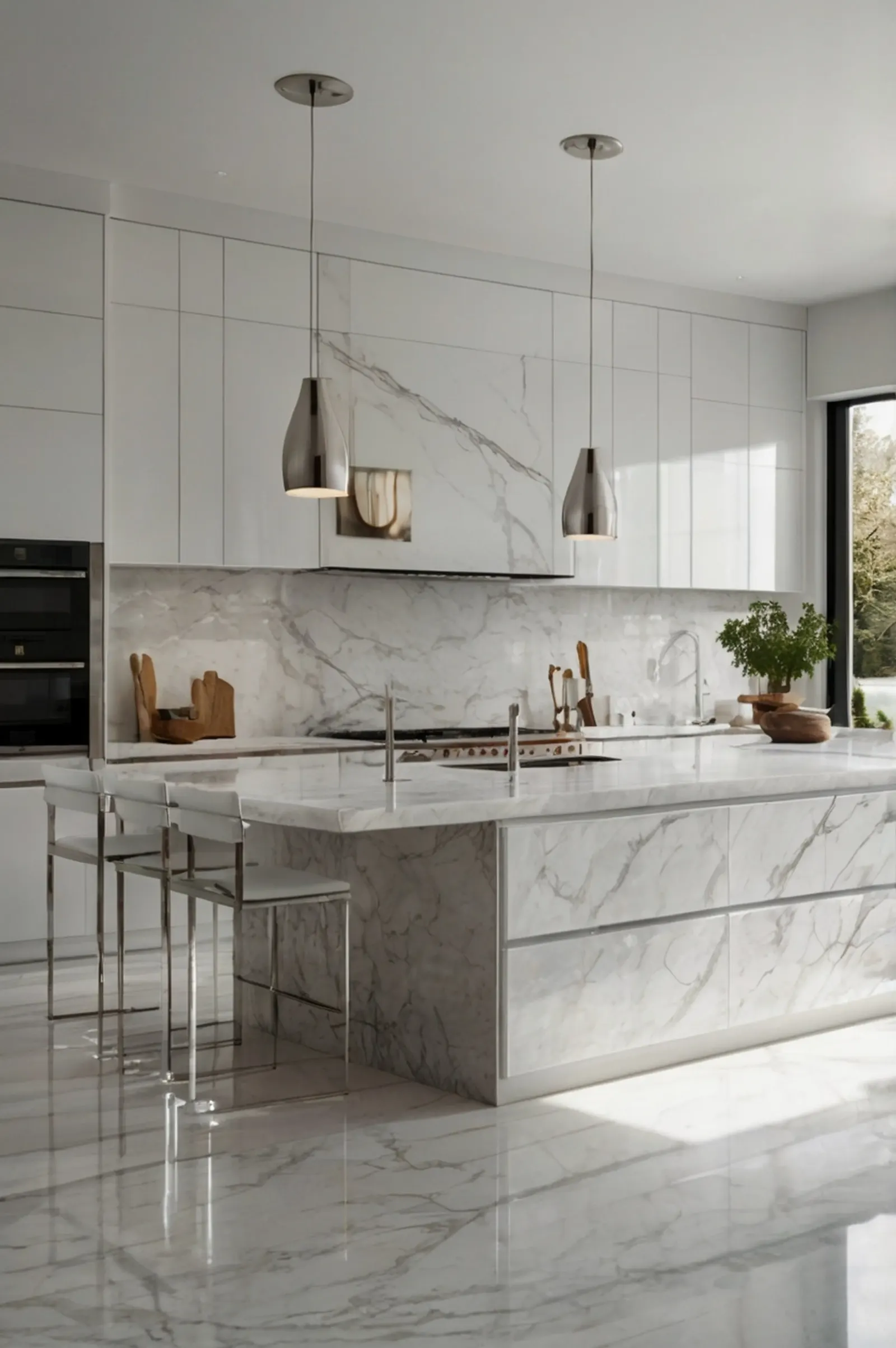
If the floor connects several rooms, show transitions and any pieces installed or repaired at different times. Natural variation can influence the appearance of a proposed finish. Honing or polishing is considered for suitable stone and the result you want to live with; it is not a promise that every visible distinction can be erased. A wider view is often more informative than a tightly cropped damage photo.
Access and preparation should reflect the property's actual state when the estimate is requested. Mention areas that are occupied, restricted, or not ready for work, without treating a city name as proof of any particular site condition. Scope and scheduling are confirmed after review. Maintaining clear records of the agreed process makes later care more reliable than introducing another unidentified cleaner or coating.