What should you check before booking condo floor restoration?
Restoring a marble floor in a Los Angeles condominium involves more than choosing a finish. The work area sits inside a shared building, so access, neighboring units and common-area protection matter alongside the stone itself. Start by separating two questions: what does the floor need, and what arrangements does your building require? Answering both before scheduling helps avoid a scope that cannot be carried out as planned.
Ask the property manager or homeowners association for the current contractor requirements in writing. Do not assume another resident's recent project followed the same rules. Identify who can authorize the work and whether approval is needed before an assessment, equipment delivery or the restoration itself. Requirements vary by building; this guide is a planning checklist, not a statement of Los Angeles permit or association rules.
Does the marble need cleaning, polishing or a different treatment?
Describe the symptoms before requesting a particular process. A dull walking path, a pale spill mark, a dark stain and a raised tile edge can have different causes. Cleaning removes compatible soil and residue, while honing and polishing refine the surface finish. A penetrating sealer may reduce absorption on suitable stone, but it does not rebuild an etched finish or level an uneven installation.
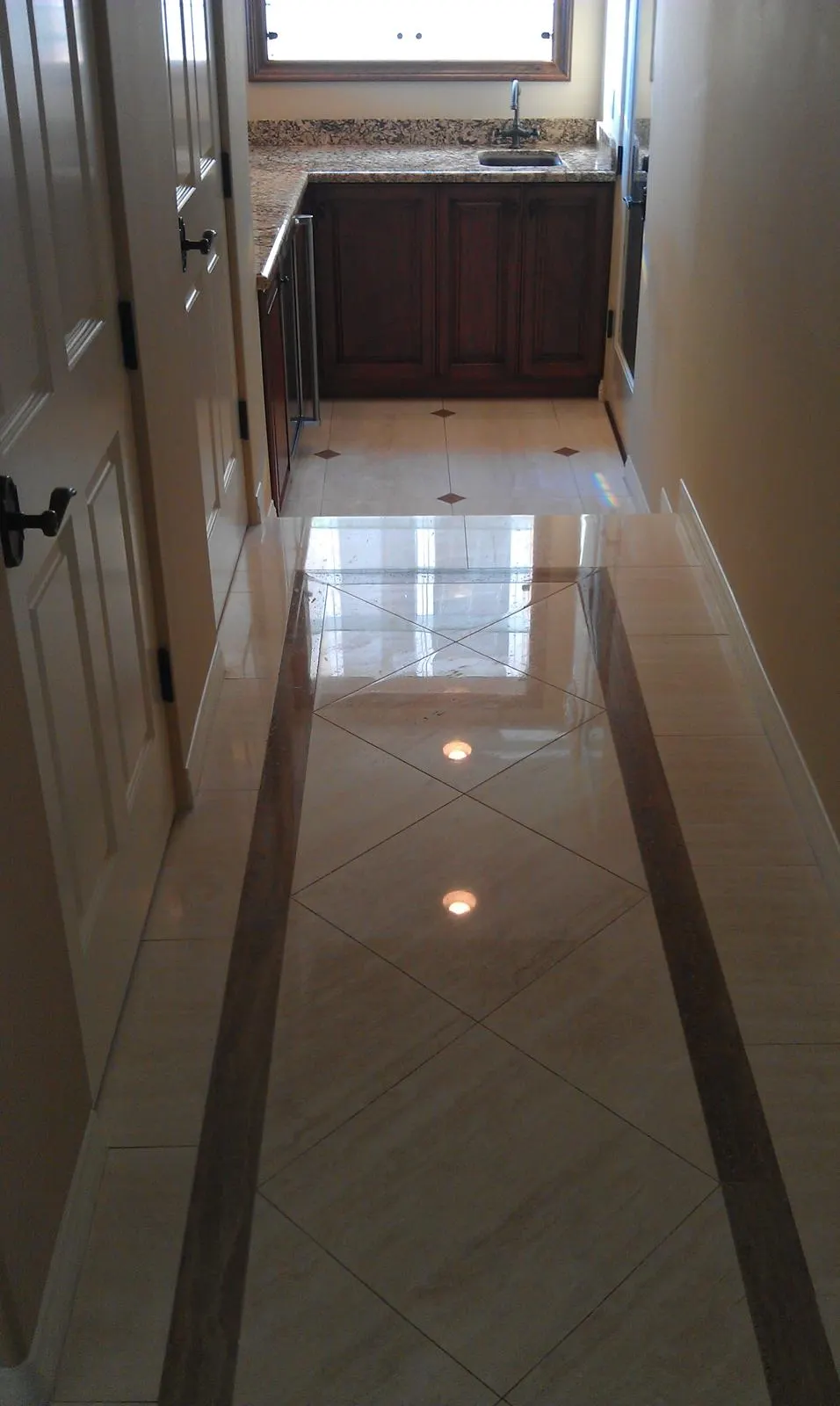
Photograph the floor when dry, including a wide room view and close-ups under angled light. Note previous cleaners, waxes or treatments if known. Ask the technician to identify the material and explain which observed conditions the proposal addresses. Loose tiles, recurring moisture or movement need separate evaluation; polishing should not be offered as a cure for an underlying installation or building defect.
Which building requirements belong in your planning checklist?
Confirm permitted work hours, service-elevator reservations, loading access, parking and any contractor check-in procedure. Ask whether management requires insurance documentation or other approvals, then share the exact requirements with the provider. Do not assume an insurance document satisfies every building condition or that having approval reserves an elevator. Establish who handles each arrangement and keep written confirmations together.
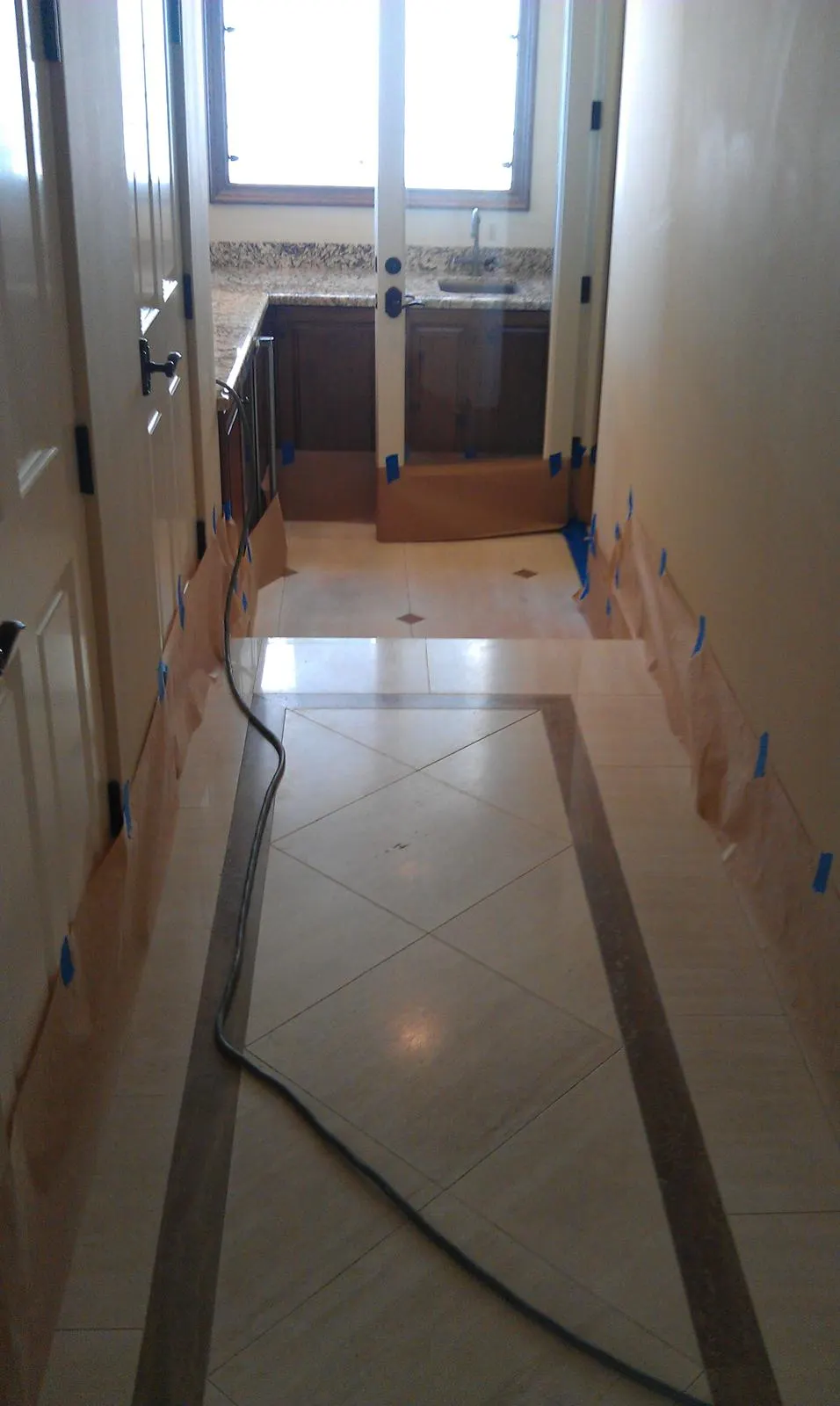
Describe the route from the unloading area to your unit. Mention stairs, narrow doors, long corridors and restrictions on equipment or deliveries. Ask who is responsible for protecting elevators and common-area finishes, and how those surfaces will be inspected afterward. These practical details belong in the estimate discussion, not in a last-minute conversation when the crew arrives.
How should the written restoration scope define the work?
List the rooms, approximate area, thresholds, edges and adjoining surfaces included. Clarify whether furniture moving, grout cleaning, coating removal, localized repairs or sealing are separate items. A proposal for polishing alone should not silently become a promise to remove every stain or correct every chip. Ask what may remain visible and how unexpected conditions will be discussed before additional work proceeds.
Agree on the intended finish using a dry, representative sample where appropriate. Compare it in the unit's normal lighting and near any section that will remain untreated. A small patch can differ from the surrounding floor, so discuss sensible work boundaries. Do not choose a reflective finish only because a photograph looks bright; the material, use and achievable consistency all matter.
What should you ask about equipment, water and cleanup?
Ask the provider to explain the proposed method, electrical and water needs, and controls for dust, moisture or slurry. The appropriate setup depends on the process and site. Terms such as dust-free do not replace a description of how nearby rooms and shared spaces will be protected. Confirm how equipment reaches the unit and where supplies can be staged without obstructing another resident.
Discuss cleanup and disposal arrangements before work starts; do not assume restoration residue can go into a household or building drain. Ask who removes protective materials and checks the access route afterward. If management has additional requirements, share them before the estimate is finalized. The written plan should distinguish the contractor's responsibilities from arrangements the resident or building must make.
How should you care for the floor after restoration?
Request written instructions matching the finish and any product applied. Confirm when walking, rugs and furniture can return; those instructions depend on the actual treatment, not a universal waiting period. Keep the work zone protected until the provider says it is ready. Ask how furniture should be returned without dragging it across the restored surface.
For ongoing care, the Natural Stone Institute recommends removing abrasive grit and using compatible cleaners. Clean entrance mats can help reduce tracked-in dirt; check that their backing suits the floor. Avoid acidic cleaners on acid-sensitive marble and do not use abrasive powders to chase a remaining mark. Report persistent discoloration, moisture or finish differences before trying another product.
Quick checklist
- Photograph the dry floor and record previous products or treatments.
- Obtain current building requirements and confirm who authorizes the work.
- Arrange parking, loading, elevator access and common-area protection.
- Agree on rooms, finish, exclusions, cleanup and any representative sample.
- Plan resident and pet access, then request written return-to-use instructions.
Clear answers
Frequently asked questions
Do I need HOA approval for marble floor polishing in a condo?
Requirements vary by building. Ask management or the homeowners association for current contractor, work-hour, insurance and access requirements before booking. Do not assume a neighbor's approval covers your unit or that surface work is automatically exempt from building rules.
Can condo marble floors be restored without replacing them?
Surface restoration may be suitable for some wear, etching or scratches, depending on the stone and condition. Loose tiles, movement, leaks or deeper installation problems need separate evaluation. An assessment should explain what restoration can improve and what requires another type of work.
Will marble polishing disturb neighboring units?
The effect depends on the equipment, method, work area and building. Ask the provider to explain noise and site controls, then confirm allowed hours with management. Do not rely on an unverified promise that the process will be silent or cause no disruption.
What should I send for a Los Angeles condo restoration estimate?
Share your city or ZIP code, dry-floor photos, approximate area, desired finish and any known previous treatments. Include the unit's floor level, elevator or stair access, parking restrictions and current building requirements so the estimate can account for the actual site.
Sources
Not sure which service your stone needs?
Elite Marble Care can assess the surface in person, explain the restoration sequence, and provide a free on-site estimate across Greater Los Angeles.