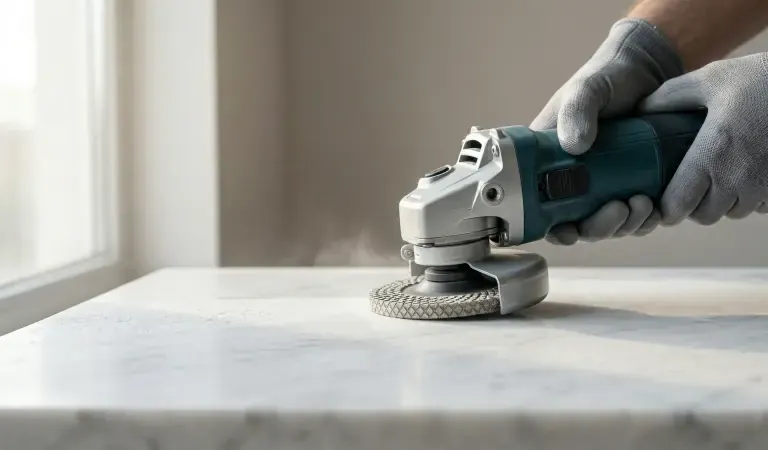
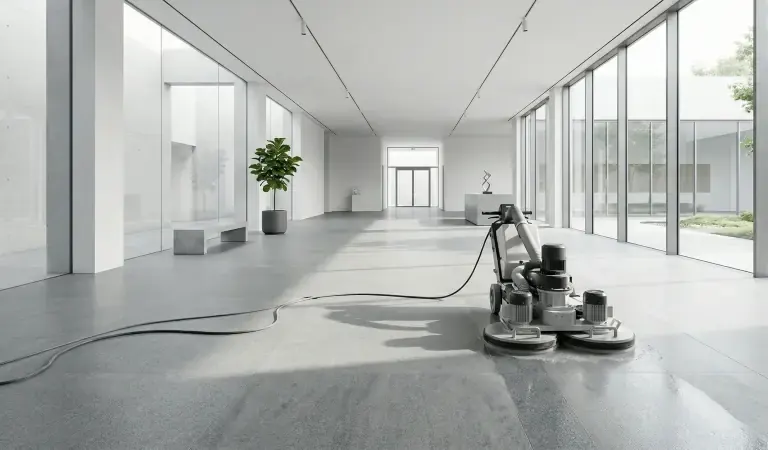
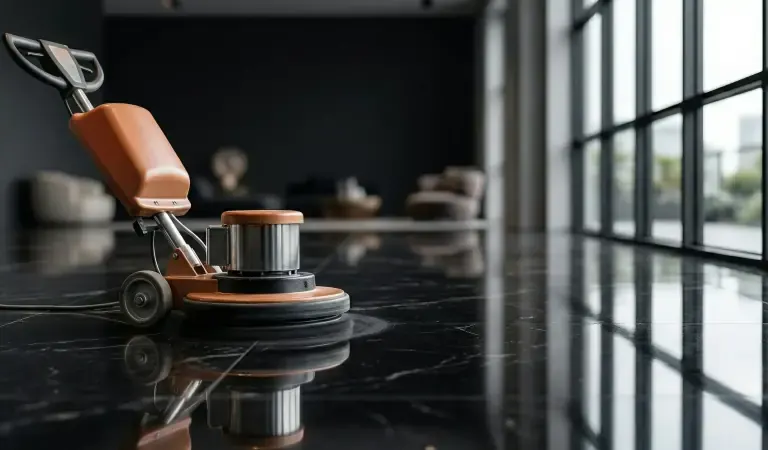
Illustration of a neutral ground concrete slab, not a project photo
Back to Services

Concrete Floor Polishing

Quick answerConcrete floor polishing in Los Angeles starts with assessment of the slab, coatings, cracks and desired aggregate exposure. Elite Marble Care proposes a suitable refinement sequence rather than promise a uniform new floor. Polishing cannot resolve structural movement or guarantee invisible repairs. Agree on achievable appearance, compatible treatment and maintenance before work begins.
Material illustration · not a project photo
  • Licensed & Insured
  • 25+ years in business
  • 4.9 rating · Yelp and Google
  • Dust-free wet process

What to expect from concrete floor polishing

Best forSound concrete floors whose material and existing treatments can be identified.; Interiors where owners want to assess an exposed slab rather than add floor covering.; Commercial or residential surfaces with realistic expectations for aggregate and repair visibility.
Materials and surfacesSuitable assessed concrete slabs; coated floors, overlays and terrazzo must be identified separately
Typical time on siteConfirmed during the on-site assessment
Dry / cure timeDepends on the material and selected process
How long results lastVaries with finish, use, and maintenance

A considered approach

Our process

  1. 1

    Assess slab condition and previous systems

    We examine the exposed surface and available floor history, including coatings, adhesives, repairs and recurring moisture. Conditions concealed beneath another covering may require further assessment. Cracks, displacement and potentially hazardous unidentified materials are not treated as routine polishable marks. This review determines whether a polishing proposal is appropriate and what specialist work may need to come first.

  2. 2

    Agree on exposure and practical boundaries

    Desired sheen and aggregate exposure are discussed alongside what the existing slab can support. A restrained surface finish and a more exposed aggregate appearance are different objectives. Room boundaries, edges, thresholds and adjacent finishes also matter. Where a representative test is appropriate, it helps communicate expectations without claiming that every section will reproduce a catalog sample.

  3. 3

    Prepare and refine the suitable surface

    The abrasive sequence depends on the identified concrete and the preparation required, not a universal list of grit numbers. Suitable coating residue and surface damage are considered within the agreed scope. Protection, dust or slurry management and site access are addressed before working. Material removed from the floor is controlled rather than allowed to contaminate nearby surfaces or enter drains.

  4. 4

    Review finish, compatible treatment and care

    The surface is reviewed as refinement progresses so exposed repairs and variation remain part of the assessment. A compatible hardening or protective treatment may be considered when suitable; it is not automatically required or interchangeable with epoxy. Product selection reflects the slab and use rather than promise to cure every weakness. Final review considers ordinary lighting, transitions and the agreed limits. Product requirements determine access guidance, not an invented turnaround time. We record care information; continued crack movement or recurring dampness needs separate attention even when the visible finish improves.

The slab determines much of the final appearance

Existing concrete may contain differences in aggregate, finishing, repairs and exposure to past use. A polishing sequence can reveal those characteristics rather than erase them. Explain whether you prefer a relatively restrained surface or are open to more visible aggregate. The choice should account for the actual slab, because deeper preparation can change what is exposed. It should not be presented as a guaranteed route to the exact appearance of an unrelated photograph.

Edges and adjoining spaces deserve a realistic discussion. Machinery access, room shape and prior construction can influence how boundaries are treated. An area under a removed wall may differ from the surrounding slab; a patch may remain distinct. These details do not necessarily prevent refinement, but they affect the achievable appearance and should be part of the agreed scope rather than a surprise after an exposed-floor treatment is underway.

Commercial use and moisture concerns need separate decisions

A retail floor, office, residential interior and workshop can have different exposure and cleaning demands. Describe spills, wheeled traffic, entrance grit and any unusual chemicals. The proposed finish and maintenance plan should account for those uses without claiming that a polished surface is indestructible or automatically suitable for every business. A glossy appearance does not establish slip performance, chemical resistance or compliance with a particular operating requirement.

Recurring damp patches, coating failure or moisture-related marks deserve assessment before selecting a finish. Polishing does not repair a failed vapor-control strategy or drainage system. Similarly, an unstable slab is not made structurally sound by surface refinement. Where specialist testing or another trade is needed, that requirement should be identified. Cosmetic improvement should not be used as evidence that an underlying installation or building problem has been resolved.

Service overview

Concrete floor polishing mechanically refines a suitable concrete surface through an assessed abrasive sequence to produce an agreed appearance. The outcome depends on the slab, existing coatings, aggregate, surface wear and prior repairs. Polished concrete is not the same as applying a glossy paint or epoxy system. Refinishing does not strengthen a structurally unsound slab, correct settlement or guarantee that cracks and patches will disappear. Material assessment and finish expectations come before choosing a process.

Before the Appointment

Explain how the space is used, its approximate size and any previous coatings or floor coverings. Show cracks, patches, adhesive residue, damp areas and differences between rooms. Provide available installation or repair records. Discuss access, furniture, sensitive adjacent finishes and building restrictions. Do not remove suspect old adhesive or flooring without appropriate assessment; unknown materials may need specialist evaluation before they can be disturbed as part of a polishing proposal.

Aftercare and Maintenance

An agreed polished finish still needs grit control and cleaning compatible with the concrete and any selected treatment. Do not confuse a reflective surface with resistance to every chemical or spill. Follow the recorded care guidance, remove contamination promptly and report recurring dampness or changes around cracks. Unverified waxes and cleaners can alter appearance or leave residue. Future maintenance should consider the actual system used rather than assume all shiny concrete was finished in the same way.

Loose tiles, moving cracks and slab concerns need installation or structural assessment before cosmetic surface work. Discuss installation concerns

Frequently Asked Questions

Can every existing concrete slab be polished?

No. The slab's condition, surface layers, repairs, installation history and exposure must be assessed. An overlay, coated floor or weak surface may need a different approach from sound concrete. Some issues belong with a qualified installation or structural specialist. The presence of a concrete floor does not by itself establish suitability, and a proposal should not promise a polished result before the actual substrate and work boundaries are understood.

Will polishing remove cracks and hide all previous repairs?

It cannot guarantee that. Refining the surface may leave cracks, filled areas, stains or repair differences visible, particularly when material is exposed. Moving cracks and slab displacement need separate investigation. Cosmetic filling does not establish structural stability. Discuss repair visibility and the intended finish during assessment so an exposed-floor proposal is not mistaken for a promise of seamless, uniform new construction.

Is polished concrete the same as a glossy epoxy floor?

No. Polishing refines suitable concrete, while an epoxy system is a separate applied surface treatment with its own preparation and suitability requirements. They can have different appearances and maintenance needs. A photograph of a shiny floor does not reliably identify its system. Explain the result you want, and identify any existing coating, before deciding which kind of surface work is appropriate.

Can I choose the exact amount of visible aggregate?

A desired exposure can be discussed, but the existing slab and preparation needs limit what can be promised. Aggregate distribution, repairs and prior surface work can vary across a room. A representative test may help establish an achievable direction. Approve the actual installation's characteristics rather than assume a uniform manufactured pattern will emerge from any concrete floor after enough grinding.

Can a polished floor be maintained without coatings or specialist care?

Care depends on the installed finish and any compatible treatment selected. Polished concrete still needs suitable cleaning, grit management and attention to spills. Adding an unverified coating or wax can change appearance and make later work more complicated. Keep the product record and follow the confirmed care instructions rather than treating all polished concrete as the same maintenance system.

What should I include in a concrete-polishing estimate request?

Send overall images, close-ups of damage or existing coating, approximate dimensions and the building's current use. Explain whether the slab is exposed or covered, identify known repairs and describe the finish you want. Mention access restrictions and recurring dampness. These details help plan an assessment, but suitability, preparation scope and final appearance cannot be confirmed solely from a picture or an online estimate request.

Ready to Restore Your Stone?

Every project begins with a free, on-site assessment. We will identify the condition of the stone, explain the appropriate process, and provide a clear estimate before work begins. Request your free estimate or call (818) 903-0970.

See our stone care tips for practical maintenance advice.

Read more stone restoration guides or browse our service areas.

Related Services

Restoration by Material and Property

Serving Greater Los Angeles

Last updated

Call (818) 903-0970