Cleft slate is not a polished marble surface
Many slate floors have a naturally cleft face: uneven ridges, layered texture, and varied depth are part of the material. Other slate installations are honed or otherwise smoother. The difference changes how soil is removed, how a coating sits, and how an enhancer appears. A flat glossy target should not be assumed when the stone's cleft texture is intentional.
Aggressively grinding a textured slate to imitate polished marble can remove natural character, expose layers, or create an uneven result. The assessment should clarify whether the owner wants to retain the tactile surface, reduce coating buildup, or explore a finish change on a suitable stone. A test patch in an inconspicuous location helps set a visual reference before broader treatment.
Identify coatings before adding protection
Wax, acrylic, topical finish, and previous enhancing products can collect dirt or change slate color. New sealer applied over an unknown coating may not penetrate consistently and can make later removal more involved. Share the product name or maintenance history if available, and describe whether the surface feels tacky, looks cloudy, or becomes slippery when damp.
A test for controlled coating removal considers the slate, grout, and texture beneath. The result may reveal natural color variation rather than a uniform appearance. Before selecting a natural-look or enhancing product, compare a discreet test after it has settled as directed; a color-enhancer is intended to deepen appearance, while natural-look products aim to alter it less, but neither outcome is identical across all slate.
Investigate deposits and flaking
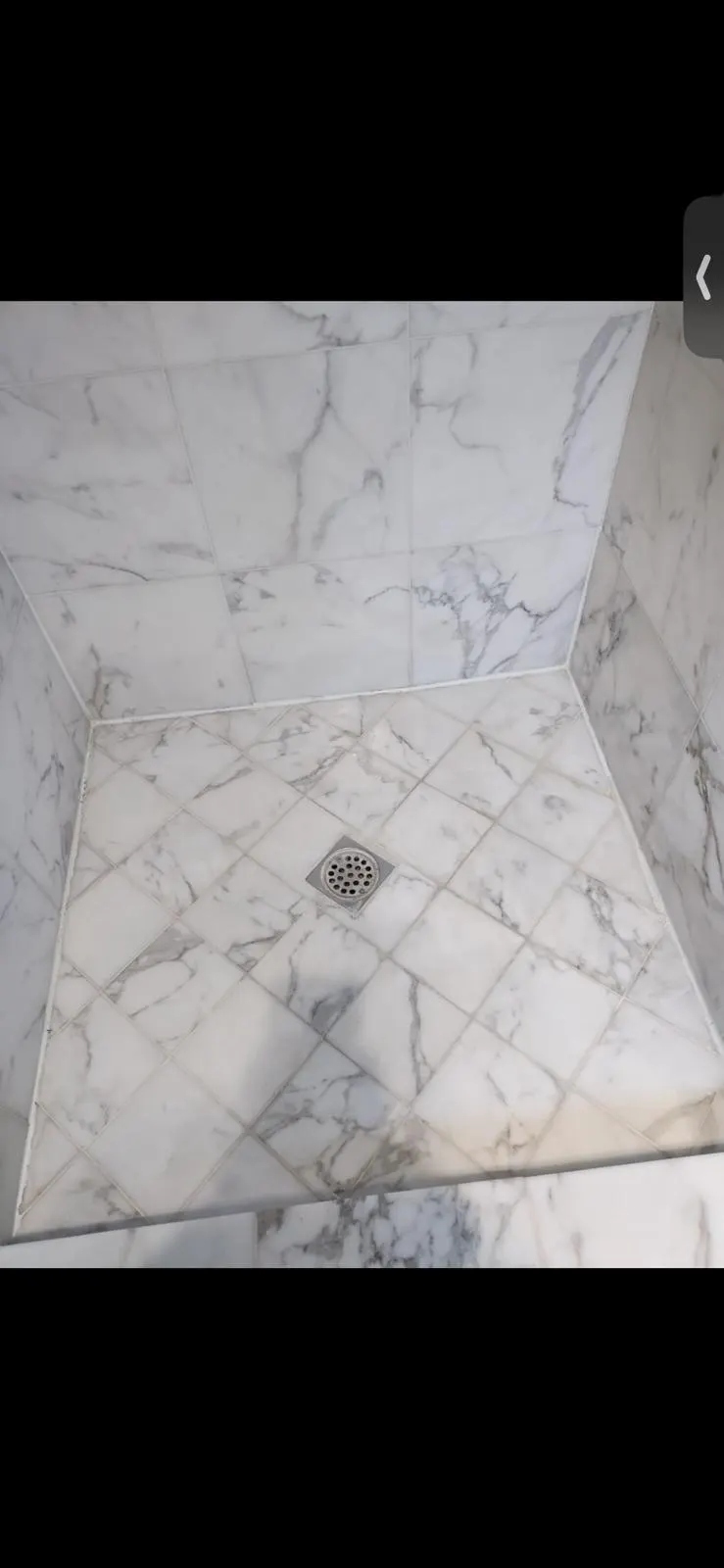
White deposits may be cleaner residue, mineral accumulation, or efflorescence related to moisture and salts. Brushing or washing away the surface does not establish the source. If the deposit returns, note where it appears and whether it follows rain, irrigation, shower use, or a recent cleaning. Moisture or drainage may need attention before any new sealer is considered.
Layering, powdering, or flaking can reflect the slate itself, exposure, installation, or a prior treatment. Surface refinishing cannot stabilize a failing substrate or stop water entry. The assessor should document loose areas, grout condition, edges, and movement, and refer a structural or water-management issue to the appropriate contractor before cosmetic treatment.
Maintain texture without a coating cycle
Remove grit with a clean broom or dust mop suited to the texture, then use a stone-compatible neutral cleaner. A rough face can hold soil in recesses, so a soft brush may be more useful than aggressive pressure or abrasive pads. Avoid repeatedly adding wax or topical finish unless the compatible maintenance system has been chosen for that exact installation.
Interior, exterior, and shower slate have different exposure and drying patterns. Protection should be based on absorption and the selected appearance, while drainage and ventilation remain part of routine care. If a surface turns darker, becomes slippery, or develops recurring white residue, pause new product application and ask for an assessment of the cause.