Back to Services

    Grinding

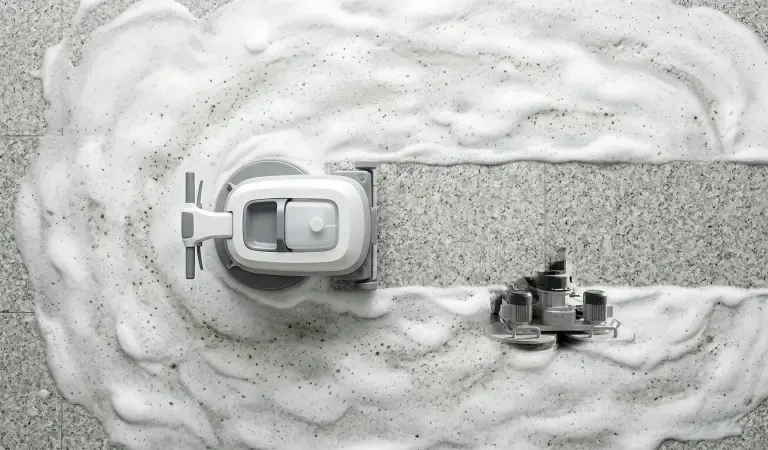
    Quick answerStone grinding uses wet diamond abrasives to remove a controlled amount of surface material before finer refinishing. Los Angeles owners may need it when deep scratches or raised tile edges cannot be addressed by polishing alone. Elite Marble Care assesses stone thickness, installation stability, and finish goals before recommending this more substantial treatment.
    • Licensed & Insured
    • 18+ years in business
    • 4.9 rating · Yelp and Google
    • Dust-free wet process

    What to expect from grinding

    Best forDeep scratches, worn traffic lanes, or widespread surface damage; Lippage, where adjacent floor tiles sit at different heights; Marble, travertine, or terrazzo floors that need resurfacing before a new finish
    Stone typesSuitable marble, travertine, limestone, granite, and terrazzo after assessment
    Typical time on siteConfirmed during the on-site assessment
    Dry / cure timeDepends on the material and selected process
    How long results lastVaries with finish, use, and maintenance

    A considered approach

    Our process

    1. 1

      Inspect the damage and explain the boundaries

      You walk through the affected floor with the technician and point out scratches, uncomfortable tile edges, and areas that look different in daylight. The assessment distinguishes surface wear from loose stone, recurring cracks, or movement. We discuss which transitions, thresholds, borders, and edges may limit leveling. You receive an explanation of why grinding is being considered instead of a lighter finish treatment, rather than an assumption that every damaged floor needs aggressive resurfacing.

    2. 2

      Protect the work area and assess a treatment approach

      Before grinding, the accessible work area and nearby finishes are considered as part of preparation. Wet diamond work produces slurry rather than a dry cloud of stone dust, so water management and collection matter. You can ask how adjoining wood, cabinets, walls, and occupied routes will be protected. A suitable assessment area helps establish how the stone responds; it is not a promise that every edge, scratch, or previous repair will disappear.

    3. 3

      Refine the surface through the appropriate sequence

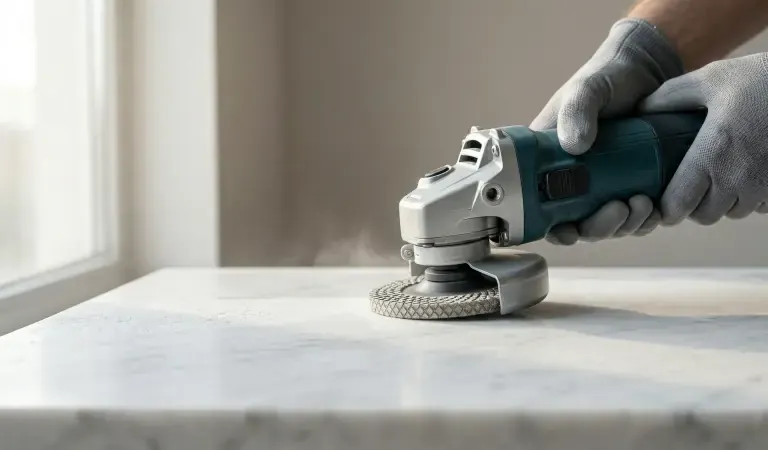
      Where grinding is suitable, you see the surface treated with diamond abrasives and the work progress toward a more even base. Grinding is only one stage: a coarse surface needs subsequent refinement before the agreed finish can be judged. The technician considers the surrounding installation rather than leaving an isolated glossy patch. Edges and transitions are reviewed separately because access and thickness may differ from the open field of the floor.

    4. 4

      Review the finish and return-to-use instructions

      At the finish review, you look across the treated area and discuss sheen, remaining marks, edges, and any repairs that remain visible. If penetrating sealing is appropriate, it is discussed as a separate protection step, not as a substitute for leveling. Before moving furniture or opening the area to traffic, obtain the instructions for the actual treatment and products used. Work duration and any drying requirements are confirmed for the project, not inferred from a generic schedule.

    Deep scratches are different from an uneven floor

    A scratch is damage within the stone surface; lippage is a height difference between neighboring tiles. Both may lead to a grinding assessment, but their causes and limits are different. A worn traffic lane can sometimes be refined without leveling every tile. Conversely, polishing a raised edge does not necessarily change the height difference. Describe where you feel or see the problem and whether it has changed over time, so the assessment can address the actual condition rather than only the shine.

    Grinding cannot create sound support beneath an unstable installation. Tile movement, excessive height differences, very thin stone, and vulnerable borders can change the recommendation. Ask which areas can be included and which may need an installer or another trade first. An estimate should distinguish open-floor work from detailed edge treatment and explain the desired honed or polished finish. Removing more material is not automatically a better result; the suitable amount depends on the installation and the damage.

    Plan around doors, transitions, and daily use

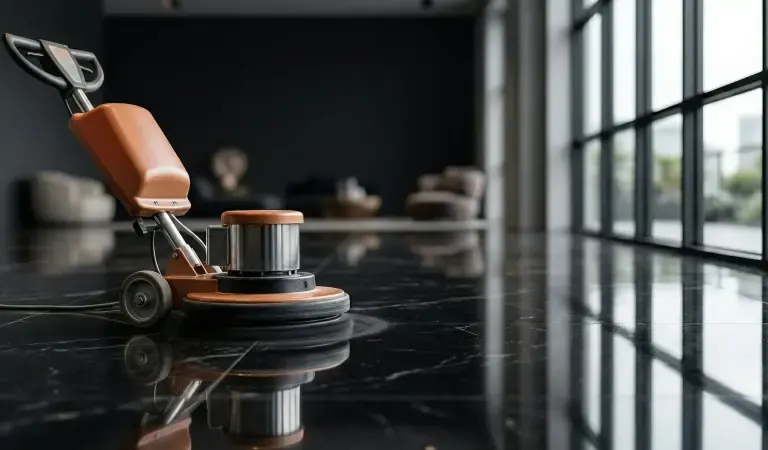
    In a Los Angeles home, a marble entry may meet wood flooring, a stair landing, or a different tile in the next room. Those junctions deserve attention during assessment because changing the surface height can affect the visual transition. Point out door clearances and locations that cannot easily be emptied. In a commercial setting, identify the routes occupants must use and any building requirements. These details help define a workable scope without promising a particular completion time or an after-hours arrangement.

    After refinishing, cleaning choices still influence the appearance of the floor. Grit carried through an entry can abrade the new finish, while acidic cleaners can etch calcium-based stone. Use maintenance instructions appropriate to the material rather than a universal floor polish or wax. Track whether marks return in the same places: repeated movement or a recurring scratch source should be investigated rather than repeatedly covered by refinishing. The goal is an understandable restoration plan, not an unsupported claim of permanent perfection.

    Service overview

    Marble and stone grinding removes deep scratches, lippage, and uneven wear so a damaged floor can be leveled before honing or polishing.

    Before the Appointment

    Remove small items from the work area and point out cracks, loose tiles, or previous repairs during the on-site assessment. We check the stone first to confirm whether grinding is appropriate or whether honing can correct the problem with less material removal.

    Aftercare and Maintenance

    After grinding and refinishing, use a pH-neutral stone cleaner, wipe spills promptly, and use clean entry mats to limit grit. The finish and sealing schedule depend on the stone, traffic, and final sheen selected.

    Chips, cracks, loose pieces, and movement need a separate natural stone repair assessment before surface refinishing. Natural stone repair assessment

    Frequently Asked Questions

    What does marble grinding fix?

    Grinding can correct deep scratches, lippage, and broad uneven wear that routine cleaning, honing, or polishing cannot remove. The surface is then refined to the finish selected for the stone.

    Does grinding remove a lot of the stone?

    Grinding removes only the damaged surface needed to level and restore the floor. We inspect the stone in person first and explain the recommended process before work begins.

    What should I do after a stone floor is ground?

    Keep grit and spills off the restored surface, clean with a pH-neutral stone cleaner, and follow the recommended sealing schedule. Avoid acidic or abrasive household cleaners.

    Will grinding make every tile edge perfectly level?

    Not every installation can be made perfectly level through grinding. Thickness, support, borders, transitions, and the amount of material that can safely be removed must be assessed together. Some conditions call for installation work before surface restoration. During the estimate, ask which edges can be improved, how the treated area will meet adjacent surfaces, and what limitations will remain. Do not judge feasibility from a photograph of the highest edge alone.

    Should I choose grinding just because my floor looks dull?

    Dullness alone does not mean a floor needs grinding. Cleaning, coating removal, honing, or polishing may be more suitable depending on the cause. Deep scratches and raised tile edges involve different questions from residue or light etching. Explain when the appearance changed and what products have been used on the floor. An assessment should identify the least aggressive suitable treatment and explain why more substantial resurfacing is or is not recommended.

    What should I show you during a grinding assessment?

    Show the deepest scratches, raised edges, and any areas that move or repeatedly crack. Identify adjoining floors, thresholds, stairs, and borders that need to be considered. Explain previous repairs and where furniture restricts access. These details help distinguish suitable surface leveling from an installation concern and define the work boundaries before a grinding sequence is recommended.

    Ready to Restore Your Stone?

    Every project begins with a free, on-site assessment. We will identify the condition of the stone, explain the appropriate process, and provide a clear estimate before work begins. Request your free estimate or call (818) 903-0970.

    See our stone care tips for practical maintenance advice.

    Read more stone restoration guides or browse our service areas.

    Related Services

      Restoration by Material and Property

      Serving Greater Los Angeles

      Call (818) 903-0970