Back to Services

Marble & Stone Shower Restoration

Quick answerStone shower restoration in Los Angeles evaluates mineral deposits, soap residue, etching, worn finish, grout, caulk, and moisture before recommending cleaning or surface work. Marble and other stone can be damaged by common acidic descalers, while a leak or failed waterproofing is not a polishing issue. The assessment separates appearance concerns from water-management problems.
  • Licensed & Insured
  • 25+ years in business
  • 4.9 rating · Yelp and Google
  • Dust-free wet process

What to expect from marble & stone shower restoration

Best forStone showers with soap buildup, mineral deposits, or recurring dullness; Marble shower floors and walls that need safe cleaning before refinishing or sealing; Owners unsure whether the problem is surface residue, stone wear, grout, caulk, or water intrusion
Stone typesMarble and suitable natural stone shower installations
Typical time on siteConfirmed during the on-site assessment
Dry / cure timeDepends on the material and selected process
How long results lastVaries with finish, use, and maintenance

A considered approach

Our process

  1. 1

    Inspect stone and joints

    The technician checks walls, shelves, curb, floor, grout, caulk, mineral deposits, dark areas, loose pieces, and the places where water collects or drains.

  2. 2

    Ask about use and moisture

    You discuss cleaning products, ventilation, recurring dampness, leaks, prior sealing, and how long the shower has been out of use so the surface can be evaluated responsibly.

  3. 3

    Separate cleaning from waterproofing

    The assessor explains which visible issues may be surface buildup or finish wear and which suggest failed joints, plumbing, or waterproofing that need another qualified trade.

  4. 4

    Set a suitable care sequence

    If restoration is appropriate, cleaning, controlled refinishing, grout or caulk attention, drying readiness, and sealing are discussed as separate tasks with clear limits.

Mineral deposits are not a reason to reach for acid

White or chalky buildup can be mineral deposits, cleaner residue, salts, or a sign of moisture moving through the assembly. These causes can look similar in a photograph but call for different responses. Vinegar and common acidic descalers may dissolve some deposits while etching marble, limestone, or other acid-sensitive stone, leaving a dull patch that cleaning cannot reverse.

The technician identifies the stone and buildup before selecting a treatment, often considering a discreet test. A surface cleaning can remove material on the stone, but it cannot correct an active leak or moisture path. If deposits return after cleaning, note where and how quickly they reappear; recurrence is useful evidence when deciding whether plumbing or waterproofing needs attention.

Evaluate joints as part of the shower

Stone panels are only one part of the installation. Grout, caulk, corners, shelves, curb transitions, drain details, and movement joints affect how the shower performs. A cosmetic restoration may improve a stone surface, but it does not reconstruct a waterproof membrane or guarantee a watertight enclosure. Failed caulk or loose tile should be reviewed before refinishing and sealing.

Darkening after use, a persistent damp smell, water outside the enclosure, or recurring loose material should be shared during assessment. These observations may indicate a leak, trapped moisture, or a joint issue beyond surface restoration. Do not rely on a new sealer to stop water entering behind the stone; the appropriate plumbing or tile professional should address the source.

Allow the stone to be evaluated dry

A wet surface can look darker and conceal absorption or finish variation. If possible, leave the shower unused before the visit and tell the technician when it was last used; do not assume a fixed drying interval. Existing moisture, ventilation, stone porosity, and the wall assembly influence whether a surface is ready for a treatment.

Sealer should be considered only after the material and moisture condition are understood and the stone is clean and suitably dry. Penetrating products can reduce absorption in appropriate stone but do not prevent soap film, acid etching, leaks, or waterproofing failure. Product, finish, and use should inform a maintenance recommendation rather than an automatic repeat schedule.

Make routine care gentler

Rinse soap residue with clean water when practical, use a stone-compatible cleaner, and squeegee or towel standing water if that fits the household routine. Avoid abrasive pads and acidic bathroom sprays on marble and limestone. A cleaner intended for glass or fixtures may not be appropriate for the stone beside them.

Keep track of any stain or deposit that returns and whether it corresponds to a particular joint, fixture, or wall. This can help separate surface maintenance from a continuing water issue. After restoration, follow the technician's care directions and wait until any specified product conditions are met before resuming normal shower use.

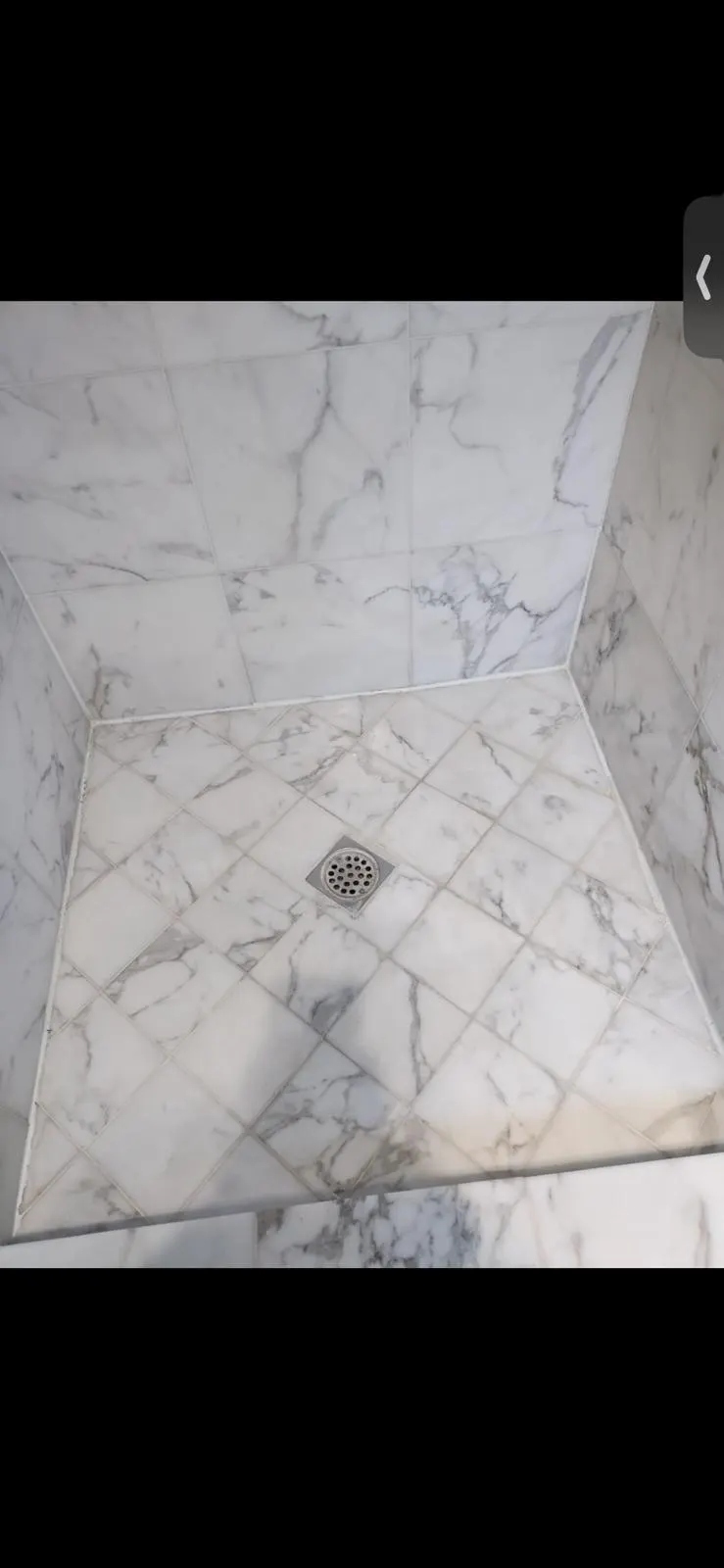
Service overview

Marble and stone shower restoration addresses soap residue, hard-water deposits, dullness, staining, worn finish, grout and caulk concerns, and sealing readiness.

Before the Appointment

Remove personal items and tell us about leaks, loose tile, failed caulk, recurring dark areas, and cleaning products already used. The stone must be evaluated for moisture and surface condition before any sealer is applied.

Aftercare and Maintenance

Use stone-safe cleaner, squeegee standing water, and dry the surface after use when practical. Avoid vinegar, acidic descalers, abrasive powders, and harsh scrub pads because they can etch marble and wear the finish.

Chips, cracks, loose pieces, and movement need a separate natural stone repair assessment before surface refinishing. Natural stone repair assessment

Frequently Asked Questions

Can a marble shower be restored?

Many stone showers can be improved with a safe cleaning and restoration plan, but the right steps depend on the stone, mineral buildup, etching, grout, caulk, and whether moisture is coming from a leak or waterproofing problem.

Does sealing make a stone shower maintenance-free?

No. Penetrating sealer can help reduce absorption, but it does not stop soap residue, prevent acid damage, or replace cleaning and drying habits.

Can hard-water deposits be removed from marble?

Mineral deposits can require a controlled professional process because common acidic descalers may etch marble. The stone and buildup need to be identified before selecting treatment.

Can I use vinegar to remove hard-water marks from a marble shower?

No, vinegar can etch marble and leave permanent dullness. Have the stone and deposit identified before using a descaler or other aggressive cleaner.

Will sealing stop water leaking behind my shower stone?

No. A penetrating sealer does not repair plumbing, failed joints, or waterproofing. A leak or recurring dampness needs assessment by the appropriate qualified trade.

Should I mention moisture outside the shower?

Yes; moisture beyond the enclosure or recurring dampness may indicate a concern outside cosmetic stone restoration. Describe drainage, discoloration, grout, caulk, and any suspected leak during assessment. Cleaning or sealing should not be presented as a repair for failed waterproofing. The appropriate building or plumbing issue must be addressed before an improved surface finish is treated as the whole solution.

Ready to Restore Your Stone?

Planning protection after restoration? Explore RAKU marble protection and ask whether an anti-etch coating suits your stone and finish.

Every project begins with a free, on-site assessment. We will identify the condition of the stone, explain the appropriate process, and provide a clear estimate before work begins. Request your free estimate or call (818) 903-0970.

See our stone care tips for practical maintenance advice.

Read more stone restoration guides or browse our service areas.

Related Services

Restoration by Material and Property

Serving Greater Los Angeles

Last updated