What should you know about a safer shower routine?
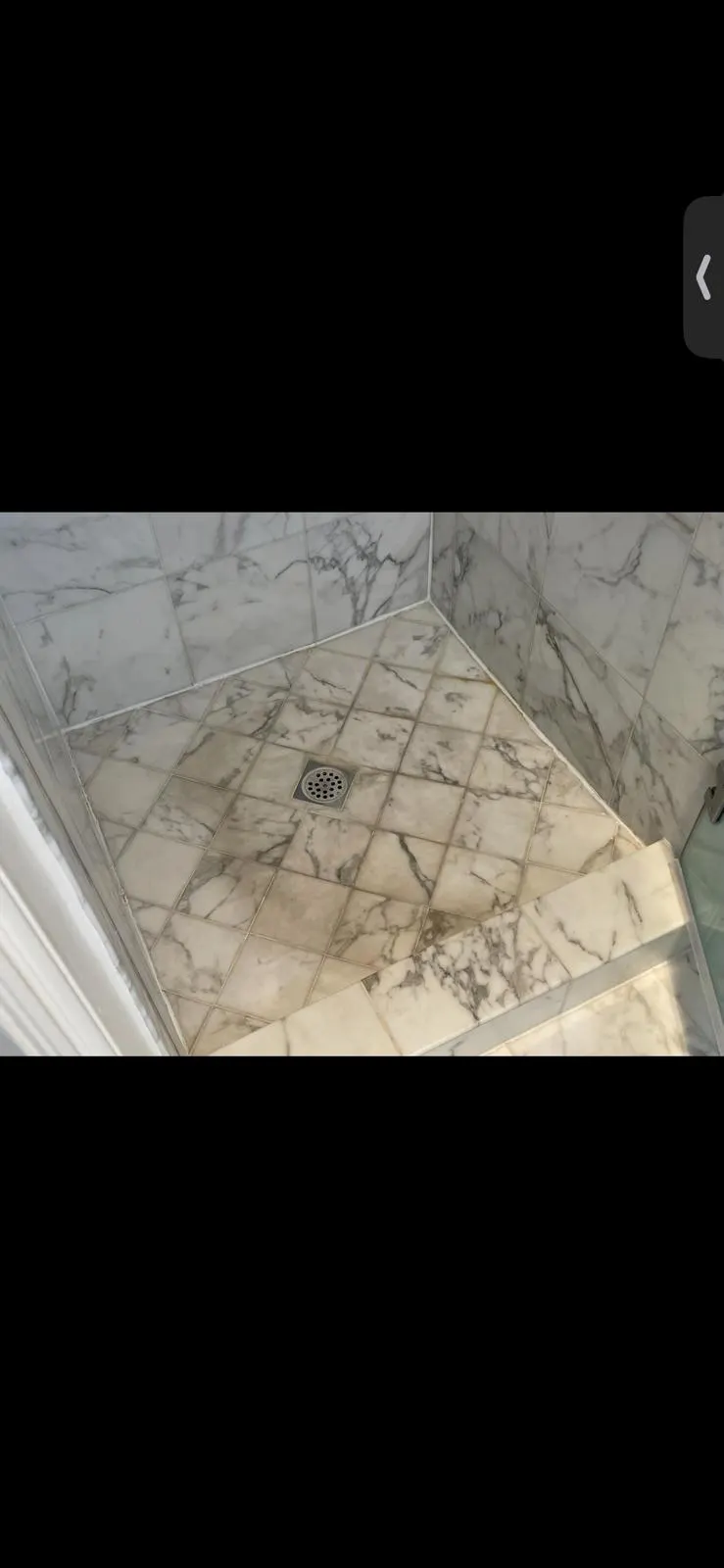
Squeegee standing water after each use, then wipe the walls with a soft microfiber cloth. For regular cleaning, use warm water or a cleaner labeled for natural stone. A soft nylon brush can help with grout, but avoid steel wool, abrasive powders, and aggressive scrub pads.
Never use vinegar, lemon, bathroom descaler, or an acidic tile cleaner on marble. These products can etch the stone even when the damage is not visible immediately.
What should you know about when home cleaning is not enough?
Cloudy buildup, dark grout, mineral deposits, and recurring soap scum may need a professional deep cleaning. The technician can choose a mechanical and chemical process that targets the residue without treating the marble like ceramic tile.
After cleaning, a penetrating sealer can help slow absorption, but it will not make the shower maintenance-free. Ventilation, drying, and gentle products still matter.
Why should you identify the deposit before cleaning?
A cloudy shower wall may have soap film, mineral buildup, an etched finish or several overlapping conditions. Adding a stronger chemical without identifying the cause can damage the marble while leaving the original concern unresolved. After a gentle stone-safe clean, observe whether the surface feels raised, remains dull in reflection or changes color while drying. Avoid scraping or acid testing to prove the diagnosis. Tell the assessor which products have been used and whether the mark follows the shower's normal water path. That information helps distinguish a maintenance issue from surface alteration or persistent moisture behind an apparently simple patch.
Which bathroom products are unsuitable for marble?
A product designed for ceramic fixtures, toilet bowls or glass doors is not automatically suitable for natural stone beside them. Acidic limescale removers and vinegar can etch calcareous marble, and abrasive pads can alter its sheen. Overspray matters as well: a cleaner used on a fitting may run onto the surrounding stone. Read labels, protect adjacent materials and follow the intended dilution and contact instructions for a compatible product. Never combine cleaning chemicals. The Natural Stone Institute warns specifically against mixing bleach and ammonia. If an unknown product has already reacted with the finish, stop experimenting and keep its label available for the assessment.
What is a practical routine after using the shower?
Where accessible and safe, remove excess surface water with a suitable soft squeegee or cloth, then allow ventilation to help the enclosure dry. Keep tools clean so that trapped grit does not scratch the finish. Reduce standing bottles and wet containers that hold residue against ledges. This routine can reduce accumulation but does not certify waterproofing, prevent every mineral deposit or repair a failing joint. Avoid climbing onto wet edges or reaching areas that cannot be cleaned safely. If the shower stays unusually dark or smells damp despite normal drying, describe that pattern rather than repeatedly applying a new surface product.
When do grout and caulk require separate attention?
Stone, grout and flexible joints are different parts of the installation. Cleaning the marble does not repair a cracked joint, loose tile or deteriorated sealant. Note gaps, movement and where water collects, and ask which conditions are within a restoration scope. Where a leak or waterproofing defect is suspected, a suitable construction professional may need to investigate before cosmetic work proceeds. Do not conceal a questionable joint simply to make a photograph look clean. Likewise, do not assume that every dark line is mold or that a surface cleaner resolves moisture behind it. The treatment should follow the observed condition and material, not a generic bathroom package.
Can professional restoration recover a dull shower finish?
Honing or polishing may improve a finish altered by etching or wear when the material and access permit it. The appropriate appearance should be agreed on a representative sample, especially where walls, shelves and floor pieces have different finishes. Mineral removal, stain treatment, repair and sealing may be separate steps with different limitations. Ask what can reasonably be improved and what will remain outside the scope, including any construction concerns. Elite Marble Care can assess a marble shower and discuss compatible cleaning and restoration. Maintain the finished surface with the recommended routine rather than returning immediately to the cleaner that contributed to the original damage.
How should you explain the shower history to an assessor?
Describe when the problem started, which surfaces are affected and whether the shower was recently installed, repaired or treated. Mention a change in cleaning products, plumbing or use, but do not assume that the timing proves the cause. Photos of dry and recently used areas can illustrate a pattern without replacing an inspection. Keep a list of known products rather than transferring unfamiliar chemicals into unlabeled bottles. If access is difficult or the shower is the household's only bathroom, explain that before scheduling. The assessor can then discuss the work area and limitations with the actual installation in mind rather than promising an unsupported completion time.
Quick checklist
- Check that every cleaner is labeled for the actual natural stone.
- Separate removable soap film from rough or dull surface damage.
- Dry accessible surfaces gently and keep the room ventilated.
- Report recurring moisture, loose stone or failed joints for assessment.
Clear answers
Frequently asked questions
What should you know about a safer shower routine?
Squeegee standing water after each use, then wipe the walls with a soft microfiber cloth. For regular cleaning, use warm water or a cleaner labeled for natural stone. A soft nylon brush can help with grout, but avoid steel wool, abrasive powders, and aggressive scrub pads.
What should you know about when home cleaning is not enough?
Cloudy buildup, dark grout, mineral deposits, and recurring soap scum may need a professional deep cleaning. The technician can choose a mechanical and chemical process that targets the residue without treating the marble like ceramic tile.
What should I include when requesting an assessment for cleaning?
Describe the stone, where it is installed, the finish you want to keep or change, and what happened before the problem appeared. Share any previous treatments or cleaner labels. Photographs help explain the concern, but an on-site assessment may still be needed to establish the appropriate scope and limitations.
Sources
Not sure which service your stone needs?
Elite Marble Care can assess the surface in person, explain the restoration sequence, and provide a free on-site estimate across Greater Los Angeles.