A crack is a symptom, not a diagnosis
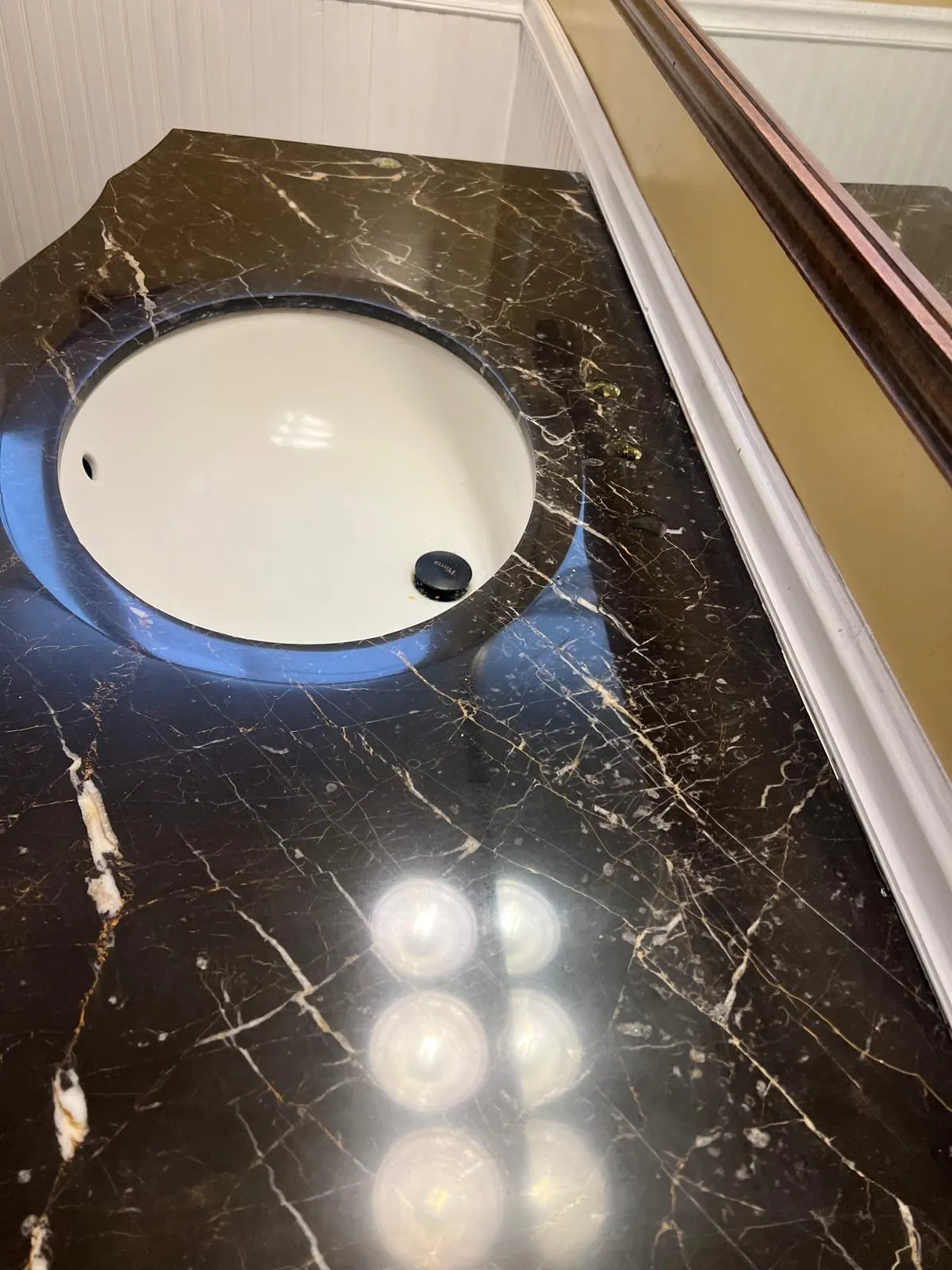
A line in stone may come from impact, a natural vein, a fabrication seam, thermal or installation stress, substrate movement, or an earlier repair. Its length, direction, opening, relation to a cutout, and whether it changes over time all matter. Photographing the mark and noting when it appeared helps the assessment, but a photo cannot reveal support or movement below the surface.
Recurring cracks, a widening seam, a loose tile, or a countertop edge that flexes should not be treated as a surface-polishing problem. Filling a visible opening without addressing an underlying cause can fail or conceal a concern. The technician explains whether the condition appears cosmetic and within restoration scope or whether another qualified professional should inspect it before any finish work.
Cosmetic restoration has boundaries
Small chips and stable surface damage may be assessed for a color-matched fill or blending, but stone color, aggregate, veining, age, and light make exact matching uncertain. A repair can be designed to be less conspicuous; an invisible result is not guaranteed. The proposed repair area and finish should be agreed before materials are applied.
Natural stone technicians do not substitute for a fabricator repairing a failed seam or unsupported cutout, an installer correcting loose tile, a plumber tracing a leak, or a contractor rebuilding an unsound substrate. Those boundaries are not a judgment on the damage; they protect the surface from cosmetic work that cannot stabilize it. Ask which trade owns the underlying cause and what confirmation is needed before refinishing.
Share the history and preserve evidence
Tell the assessor whether the concern followed an impact, cabinet work, a leak, a renovation, or a previous repair. Note if the line changes, if a tile sounds different, if moisture returns, or if an edge moves under ordinary use. Avoid pressing on a loose piece or attempting a household adhesive; that can make later evaluation more difficult or unsafe.
Clear access without disassembling fixtures or moving heavy stone. If a countertop is involved, point out seams, sink cutouts, overhangs, cabinets, and any support changes. If the issue involves a wet area, explain when dampness occurs and whether grout or caulk has failed. These details help determine whether a surface repair can be responsibly considered.
Refinish only after the surface is sound
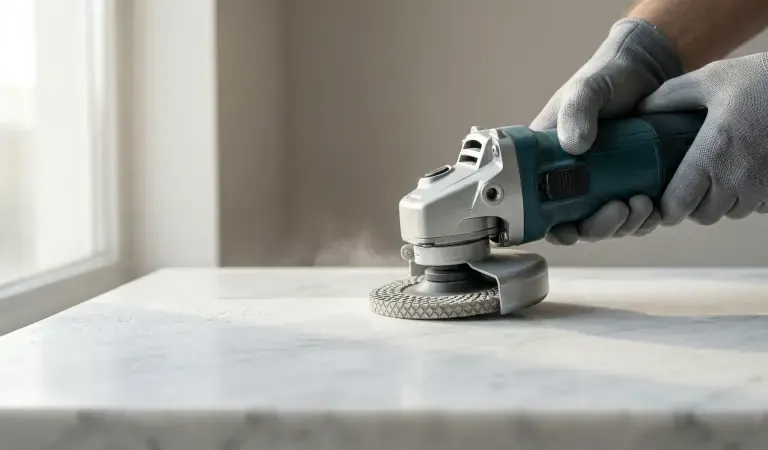
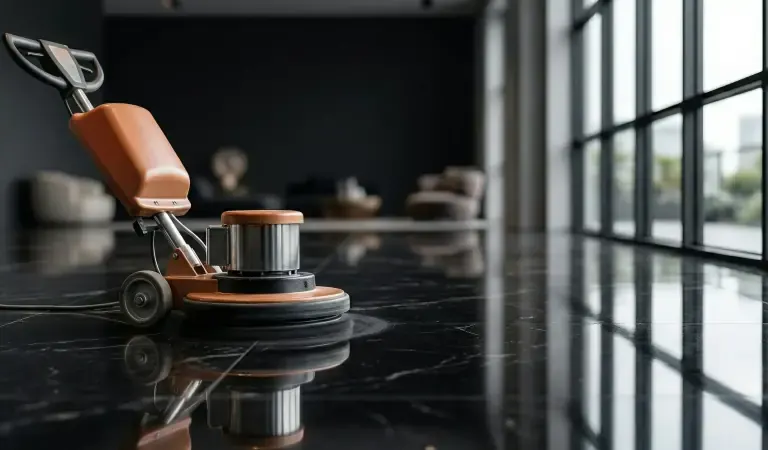
Honing or polishing can improve the appearance around a stable repair, but abrasive work does not bond a crack, replace missing material, or correct movement. If a repair is appropriate, the repair material, curing instructions, and surrounding finish must be compatible. The treatment should be reviewed as an ordered scope rather than a single promise to make damage disappear.
After cosmetic work, use care products suited to the stone and avoid repeated aggressive scrubbing at the repair. Monitor the area for renewed movement, separation, or moisture and report a change rather than applying more filler. A repair that reopens may indicate the underlying cause remains active and should be reassessed before additional refinishing.