Start with how people use the space
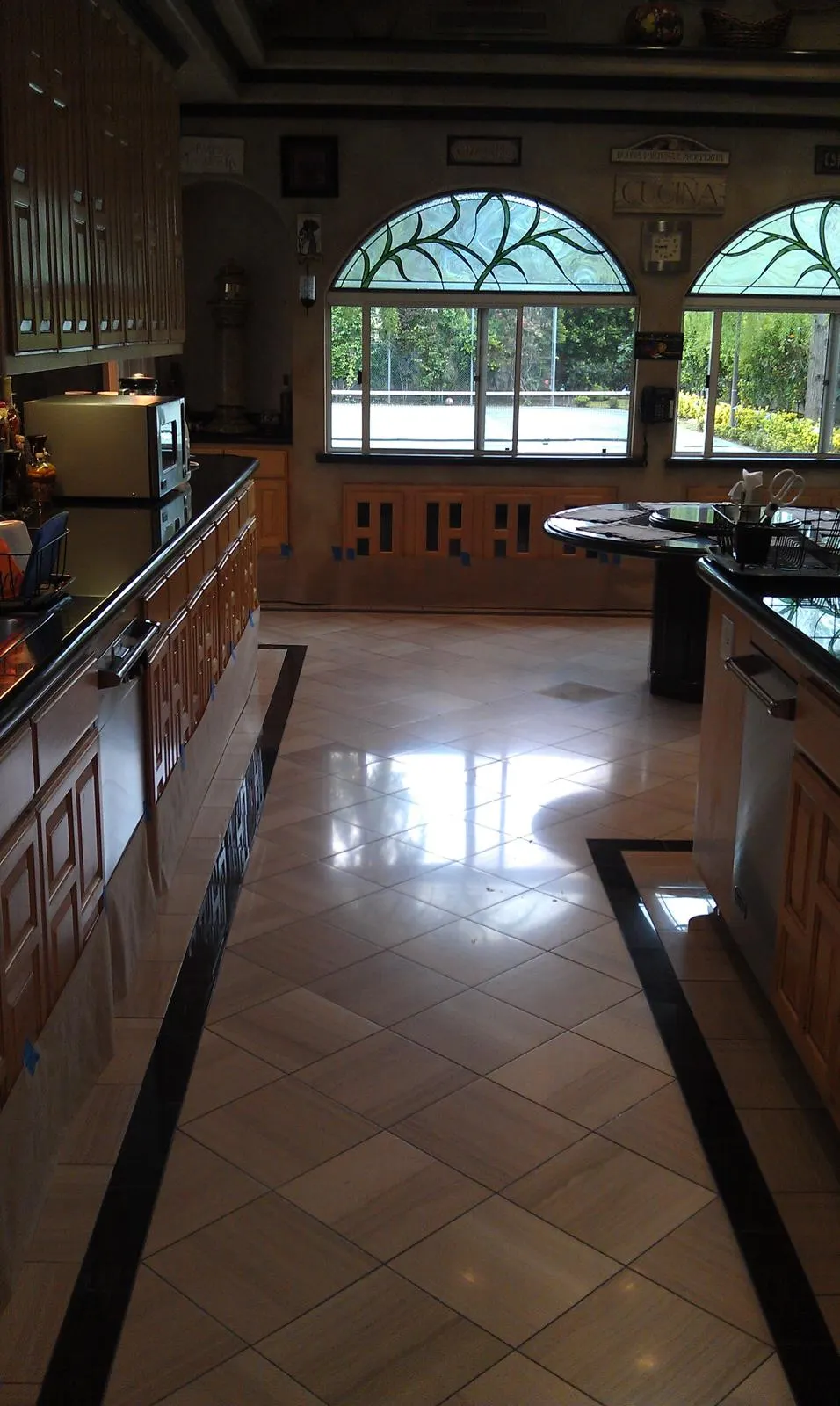
A lobby entrance, elevator landing, corridor, and food-service area receive different kinds of traffic and cleaning. Grit at a doorway can wear the finish more quickly than occasional use elsewhere, while repeated chemical cleaning may leave residue or affect a sensitive stone. The site review should include the property team's maintenance routine as well as the visible surface.
Identify priority zones and the outcome that matters: a more even reflection, a lower-sheen finish, removal of coating buildup, or a plan for recurring damage. The estimate can then separate high-visibility areas from service corridors and note boundaries at doors, elevators, tenant spaces, and adjoining materials. A broad square-foot description alone does not explain operational complexity.
Coordinate work with occupants and building operations
Access influences how restoration can be performed. Discuss occupied hours, security, loading access, freight elevators, furniture, water availability, electrical access, noise expectations, barriers, and cleaning after work. These conditions should be documented early so building staff know what coordination is needed; exact timing depends on the inspected scope and site requirements.
The property contact should identify who can approve the work area, communicate with tenants, and confirm building rules. If a corridor or lobby cannot be closed, that constraint needs to be considered before quoting. Do not assume that every treatment can be broken into small isolated patches without a visible transition; finish continuity and practical access need to be balanced.
Prioritize repairs before broad refinishing
Loose tile, recurring cracks, failed seams, unsupported stone, moisture, and lippage are not merely appearance concerns. A polishing pass cannot stabilize movement, fix a leak, or rebuild a substrate. The site assessment should record these conditions and distinguish work that may be completed by a stone restoration technician from fabrication, installation, plumbing, or contractor scope.
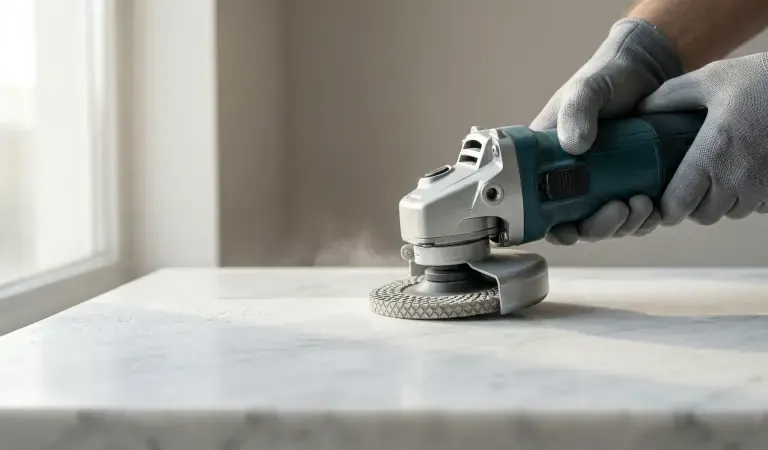
Coatings and maintenance residue can obscure stone and change slip or gloss. Their type should be identified before removal, with a test if compatibility is uncertain. A proposed scope should describe whether it includes cleaning, coating removal, grinding, honing, polishing, repair assessment, or protection, and state the condition that would require a revised plan.
Plan a maintainable result
Commercial floors need care guidance that fits housekeeping operations. A pH-neutral product selected for the actual stone, clean entry mats, prompt spill response, and grit removal help avoid adding wear. The building's cleaning vendor should know whether topical coating is present, what finish was selected, and which products are approved for the restored surface.
Penetrating sealer may be appropriate on absorbent stone, but it does not make a floor maintenance-free, prevent etching, or correct a water issue. Any recommendation should account for traffic, material, existing finish, and the building's cleaning method. Establish a way for staff to report new movement, recurrent stains, or changes in sheen so those conditions are assessed before they spread.