Back to Services

Limestone Restoration

Quick answerLimestone restoration in Los Angeles addresses dullness, etching, scratches, soil, coatings, and uneven absorption after the stone's density, finish, location, and moisture exposure are assessed. It can suit floors, counters, walls, and patios, but exterior salts or recurring dampness need diagnosis before surface treatment. An on-site review establishes whether cleaning, honing, polishing, or sealing is appropriate.
  • Licensed & Insured
  • 25+ years in business
  • 4.9 rating · Yelp and Google
  • Dust-free wet process

What to expect from limestone restoration

Best forLimestone floors, counters, walls, showers, and patios with an uneven or worn finish; Etching, scratches, embedded soil, staining, old coatings, or inconsistent absorption; Owners deciding whether cleaning, honing, polishing, repair assessment, or sealing is appropriate
Stone typesLimestone of assessed density, finish, and installation condition
Typical time on siteConfirmed during the on-site assessment
Dry / cure timeDepends on the material and selected process
How long results lastVaries with finish, use, and maintenance

A considered approach

Our process

  1. 1

    Identify the limestone and setting

    The technician checks the surface, finish, location, adjacent materials, visible pores, wear, and any indoor, exterior, or wet-area moisture conditions.

  2. 2

    Classify the visible concern

    You review whether the issue appears to be soil, coating, acid etch, scratching, staining, salt, or movement. A discreet test may help assess how the stone responds.

  3. 3

    Discuss the suitable scope

    Cleaning, coating removal, honing, polishing, repair assessment, and sealing are considered separately. The estimate notes exterior drainage or moisture concerns that may need another trade.

  4. 4

    Review finish and maintenance

    After agreed work, the treated area is checked against the intended finish. Advice covers neutral cleaning, spill response, absorption, and when to investigate recurring dampness.

Limestone varies from surface to surface

Limestone can differ in density, pore structure, fossil content, factory finish, and prior treatment. Two pale surfaces that look alike may respond differently to cleaning or abrasives. The technician evaluates the installed stone and its current condition instead of assuming a method from a sample, a product label, or the generic name of the material.

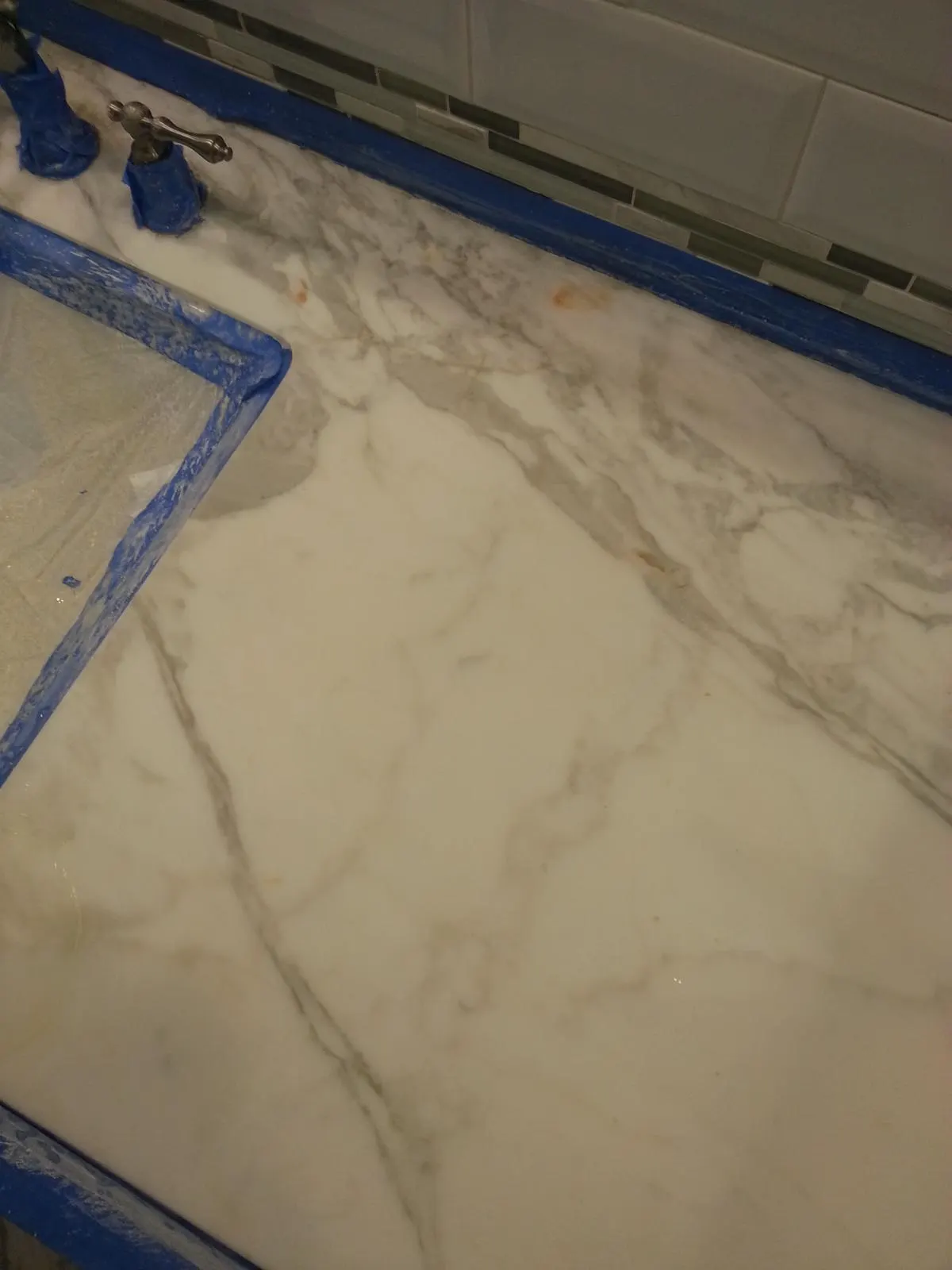
Acid-sensitive limestone can etch after contact with citrus, vinegar, or acidic descalers. A dull mark that remains after gentle stone-safe cleaning may be damage in the surface, not dirt. Scratches, embedded soil, mineral deposits, and stains also differ; accurate identification avoids using an aggressive cleaner on a mark that needs honing or a moisture source that needs investigation.

Location changes the assessment

An interior hallway, shower wall, kitchen counter, and exterior patio face different exposure. Exterior limestone may be affected by drainage, salts, weather, and moisture movement; a wet area can hold moisture behind or within the stone. Cleaning or sealing cannot correct a drainage defect, plumbing leak, or failed waterproofing, so signs of recurring dampness need to be addressed first.

The visit should include the surroundings: thresholds, grout, joints, slopes, downspouts, nearby irrigation, and transitions between interior and exterior stone. Describe when discoloration appears, whether it returns after rain or shower use, and what cleaning products have been applied. This context makes it possible to separate a surface issue from an installation condition that needs another professional.

Honing, polishing, and sealing serve different roles

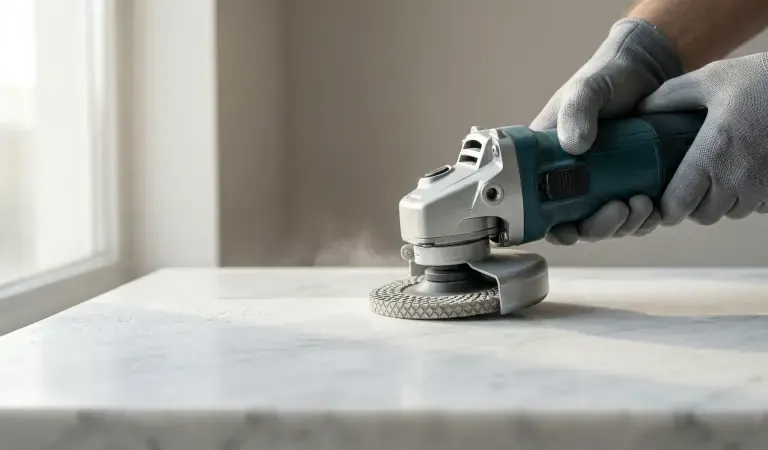
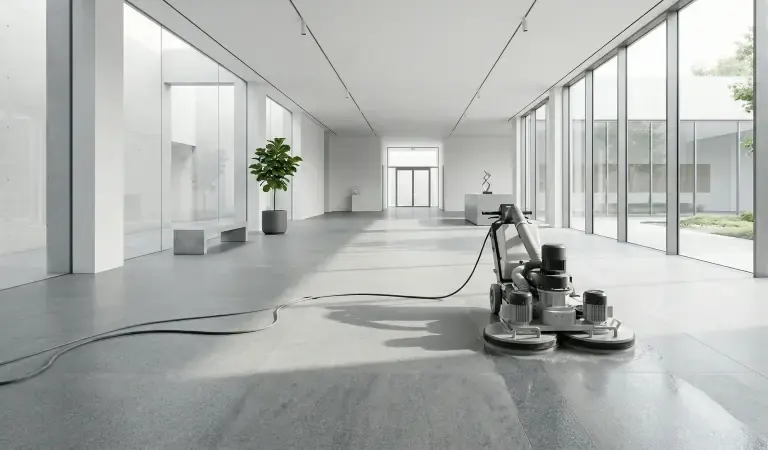
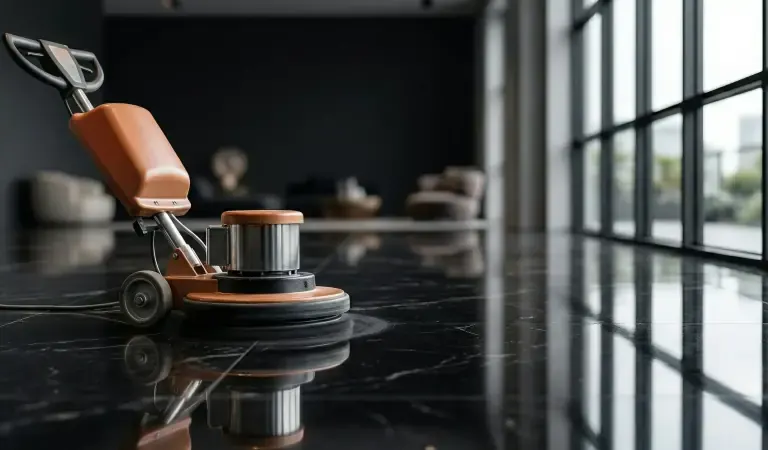
Honing refines the surface toward a low-sheen finish, while polishing creates more reflectivity when the stone and condition support it. Grinding is a more substantial material-removal choice and should not be assumed for every scratch or uneven reflection. A test area can help set expectations about color, texture, and how an adjacent section will blend.

A penetrating sealer may be appropriate for limestone that absorbs liquids, but it does not prevent acid etching or solve active moisture. Existing topical coatings may need identification and removal before the stone can be judged. Ask what the proposed treatment changes, what remains visible, and whether the desired sheen fits adjoining rooms or the natural character of the installed stone.

Maintain without adding new damage

Use a pH-neutral stone cleaner and a soft cloth or mop, remove loose grit before damp cleaning, and wipe acidic spills promptly. Avoid vinegar, lemon, abrasive powders, and household descalers on limestone. A stronger chemical can turn a removable deposit into etched stone, so ask for identification before experimenting on a visible area.

Check absorption periodically in a discreet location if sealing is part of the care plan, and follow the product guidance for the specific surface. Keep notes about damp spots, white deposits, or changing grout. If they recur, investigate the source rather than applying another layer of sealer; the surface treatment should follow stable moisture conditions.

Service overview

Limestone restoration addresses dullness, etching, scratches, soil, stains, coatings, and worn protection with methods selected for the stone's density, finish, location, and moisture exposure.

Before the Appointment

Clear loose items and identify stains, cracks, previous coatings, moisture, and products already used. Exterior stone and wet areas should be dry enough to evaluate, and active drainage or leak concerns should be disclosed before sealing is considered.

Aftercare and Maintenance

Use a pH-neutral stone cleaner, remove grit before damp cleaning, and wipe acidic spills promptly. Avoid vinegar, citrus, abrasive powders, and acidic descalers. Check absorption periodically instead of resealing on a fixed schedule.

Chips, cracks, loose pieces, and movement need a separate natural stone repair assessment before surface refinishing. Natural stone repair assessment

Frequently Asked Questions

Can etched limestone be restored?

Many etched or dull limestone surfaces can be improved through controlled honing and, where suitable, polishing. The stone, finish, damage depth, and surrounding sheen must be assessed before the process is selected.

Does limestone need to be sealed?

Many limestone installations benefit from a penetrating sealer because the stone can be porous, but sealing depends on absorption, moisture, finish, and location. Sealer helps reduce staining; it does not prevent acid etching.

Can exterior limestone be restored?

Exterior limestone can be assessed for cleaning, surface refinement, and protection, but drainage, salts, weathering, and underlying moisture must be considered before treatment.

Can a limestone floor be made glossy?

Some limestone can be refined to a brighter finish, but the achievable sheen depends on the stone, prior treatments, and its condition. A sample assessment is useful before changing the finish.

What are white marks appearing on exterior limestone?

They may be deposits, salts, or efflorescence associated with moisture. The source and stone should be assessed before cleaning because removing the visible residue does not correct an active moisture path.

Does indoor limestone need the same plan as outdoor limestone?

Not necessarily; exposure, moisture, density, and the intended finish can differ. Outdoor deposits or flaking may involve drainage or salts, while an indoor floor may mainly show etching or traffic wear. Explain where the stone is installed and which conditions return. The assessment should identify a suitable surface treatment without assuming indoor polishing methods resolve an exterior moisture problem.

Ready to Restore Your Stone?

Planning protection after restoration? Explore RAKU marble protection and ask whether an anti-etch coating suits your stone and finish.

Every project begins with a free, on-site assessment. We will identify the condition of the stone, explain the appropriate process, and provide a clear estimate before work begins. Request your free estimate or call (818) 903-0970.

See our stone care tips for practical maintenance advice.

Read more stone restoration guides or browse our service areas.

Related Services

Restoration by Material and Property

Serving Greater Los Angeles

Last updated