Does dull granite need restoration or repair?
Dullness by itself usually points to cleaning, residue removal, or refinishing rather than structural repair. A professional assessment separates a worn finish from buildup, hard-water deposits, an old topical product, or damage below the surface.
Repair becomes the priority when the granite has an open crack, missing chip, failed seam, loose section, or unsupported edge. Polishing can improve the surrounding sheen, but it cannot stabilize movement or replace missing material.
What should you know about what granite restoration can correct?
Granite restoration may include deep cleaning, controlled honing, polishing, stain treatment, and sealing when the stone will accept a penetrating sealer. The sequence depends on the existing finish and whether the surface is a floor, countertop, vanity, wall, or outdoor installation.
Light wear, inconsistent reflection, minor surface scratches, and residue can often be improved without replacing the slab or tile. Deeper scratches may require progressively coarser abrasives before the finish can be rebuilt evenly.
What should you know about when granite needs a separate repair?
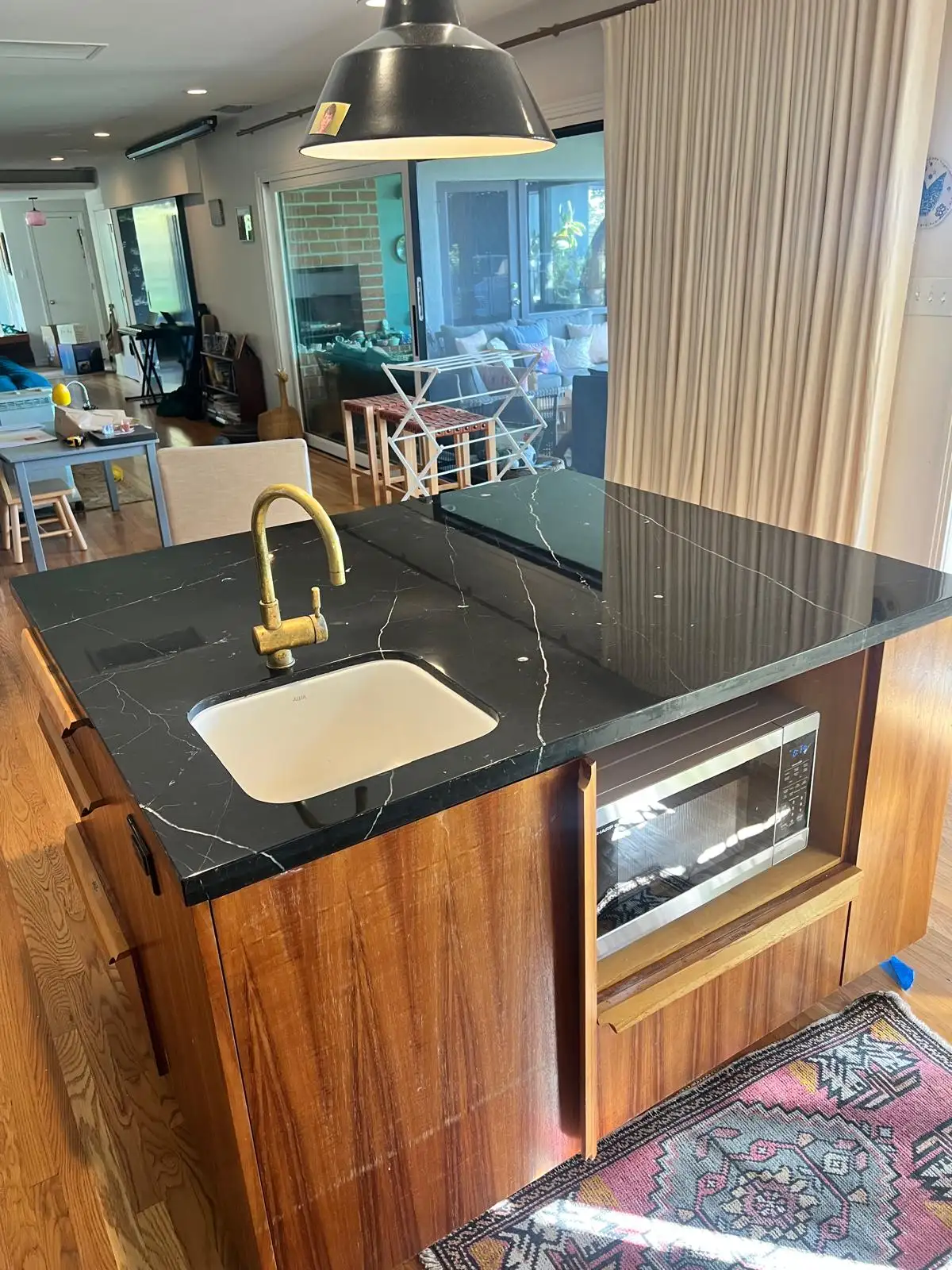
Chips around sinks and countertop edges can sometimes be filled and color-matched before the surrounding area is refinished. Cracks, separated seams, and recurring movement require a closer look at support, installation, and moisture before cosmetic work begins.
A repair should not be hidden under polish. If the slab is moving, the substrate is failing, or the damaged section is unsafe, a stone fabricator or qualified contractor may need to address the structural condition first.
What should you know about how a professional chooses the process?
The inspection starts by identifying the material and finish, then checking scratches, stains, chips, seams, coatings, absorption, and movement. A small test area can show whether cleaning is enough or whether abrasives are needed to produce a consistent result.
The technician should explain which steps are intended to clean, flatten, repair, refine, polish, or protect the stone. That distinction prevents a temporary shine product from being presented as full granite restoration.
What should you know about countertops and floors need different plans?
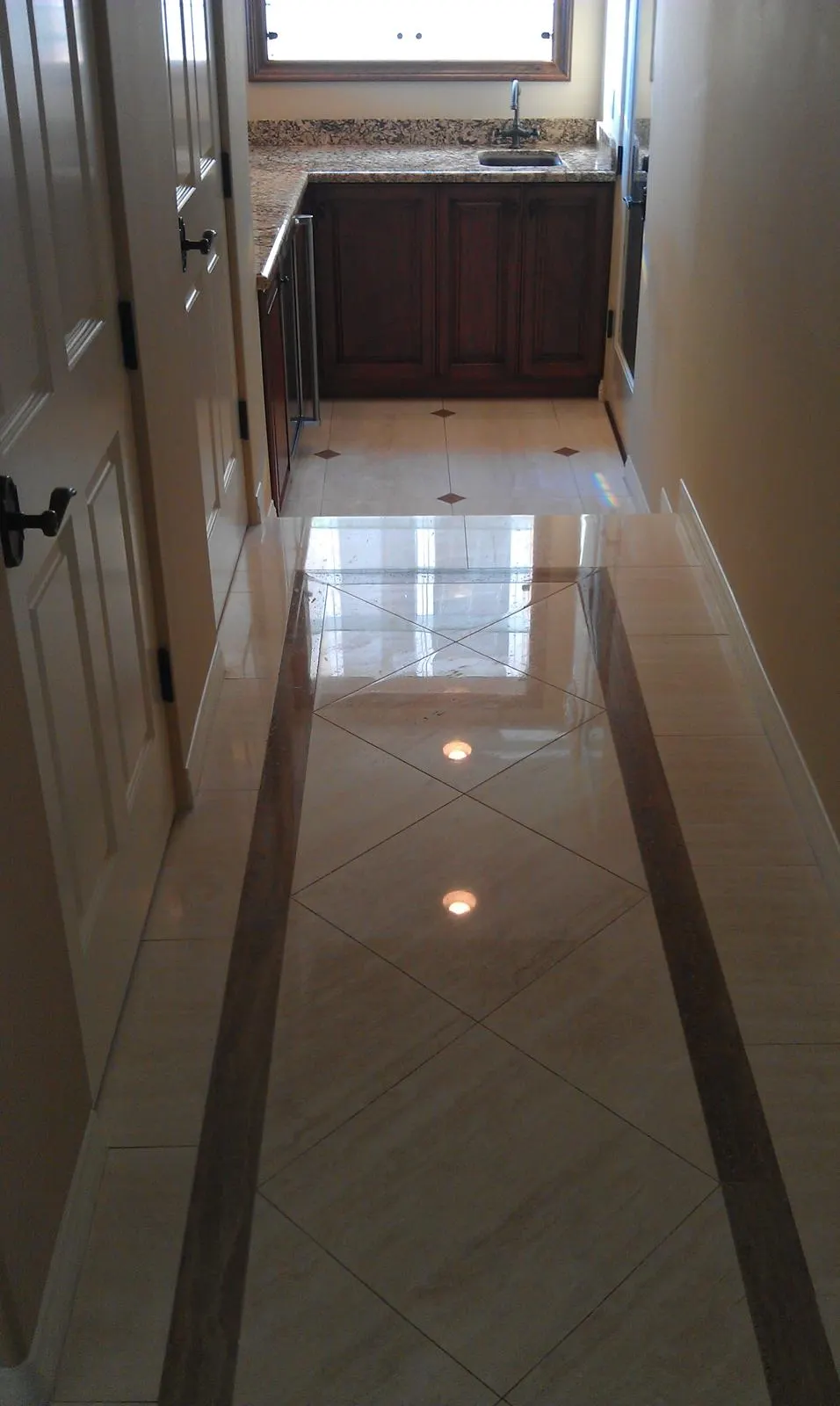
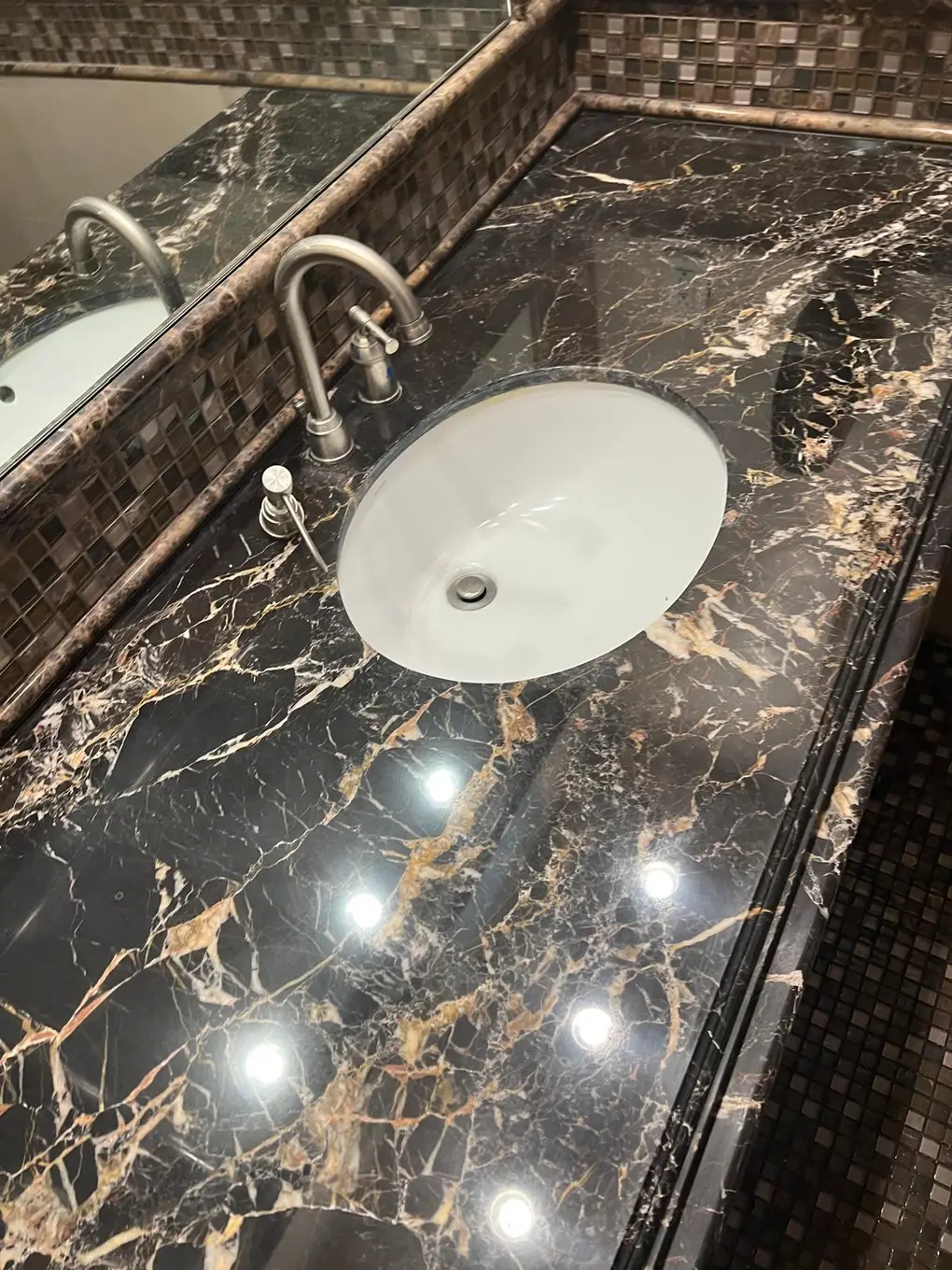
Granite countertops concentrate damage around sinks, cooktops, seams, and exposed edges. Floors experience wider traffic wear, tracked-in grit, uneven tiles, and scratches that may extend across multiple rooms. The same equipment and sequence are not appropriate for every surface.
For Los Angeles homes and businesses, an on-site assessment also helps account for access, adjacent cabinetry, baseboards, furniture, and the finish in connected rooms. The goal is to blend the restored area with the surrounding installation rather than create one isolated glossy patch.
What can sealing do, and what can it not fix?
A penetrating sealer may reduce absorption and staining on granite that is porous enough to accept it. It does not fill cracks, remove scratches, create shine, or stop damage caused by movement and unsupported edges.
The surface should be clean, dry, and restored before sealing is considered. A simple absorption test and the stone's condition are more useful than applying sealer automatically on a fixed calendar.
What should you know about what to ask before hiring a granite restoration company?
Ask how the company will identify the problem, whether repair is included, which finish will be produced, how nearby surfaces will be protected, and what limitations may remain. Request an explanation of the sequence rather than accepting a promise to make every type of damage disappear.
Elite Marble Care provides free on-site estimates for granite and natural stone surfaces throughout Greater Los Angeles. The assessment determines whether cleaning, repair, honing, polishing, sealing, or referral to a fabricator is the appropriate next step.
Quick checklist
- Identify the stone and existing finish before selecting a product.
- Record the symptom and which cleaning methods have already been tried.
- Compare the proposed treatment with a representative sample where appropriate.
- Keep the agreed scope and material-specific aftercare instructions together.
Clear answers
Frequently asked questions
Does dull granite need restoration or repair?
Dullness by itself usually points to cleaning, residue removal, or refinishing rather than structural repair. A professional assessment separates a worn finish from buildup, hard-water deposits, an old topical product, or damage below the surface.
What should you know about what granite restoration can correct?
Granite restoration may include deep cleaning, controlled honing, polishing, stain treatment, and sealing when the stone will accept a penetrating sealer. The sequence depends on the existing finish and whether the surface is a floor, countertop, vanity, wall, or outdoor installation.
What should I include when requesting an assessment for granite restoration?
Describe the stone, where it is installed, the finish you want to keep or change, and what happened before the problem appeared. Share any previous treatments or cleaner labels. Photographs help explain the concern, but an on-site assessment may still be needed to establish the appropriate scope and limitations.
Sources
Not sure which service your stone needs?
Elite Marble Care can assess the surface in person, explain the restoration sequence, and provide a free on-site estimate across Greater Los Angeles.