What changes the cost of stone restoration?
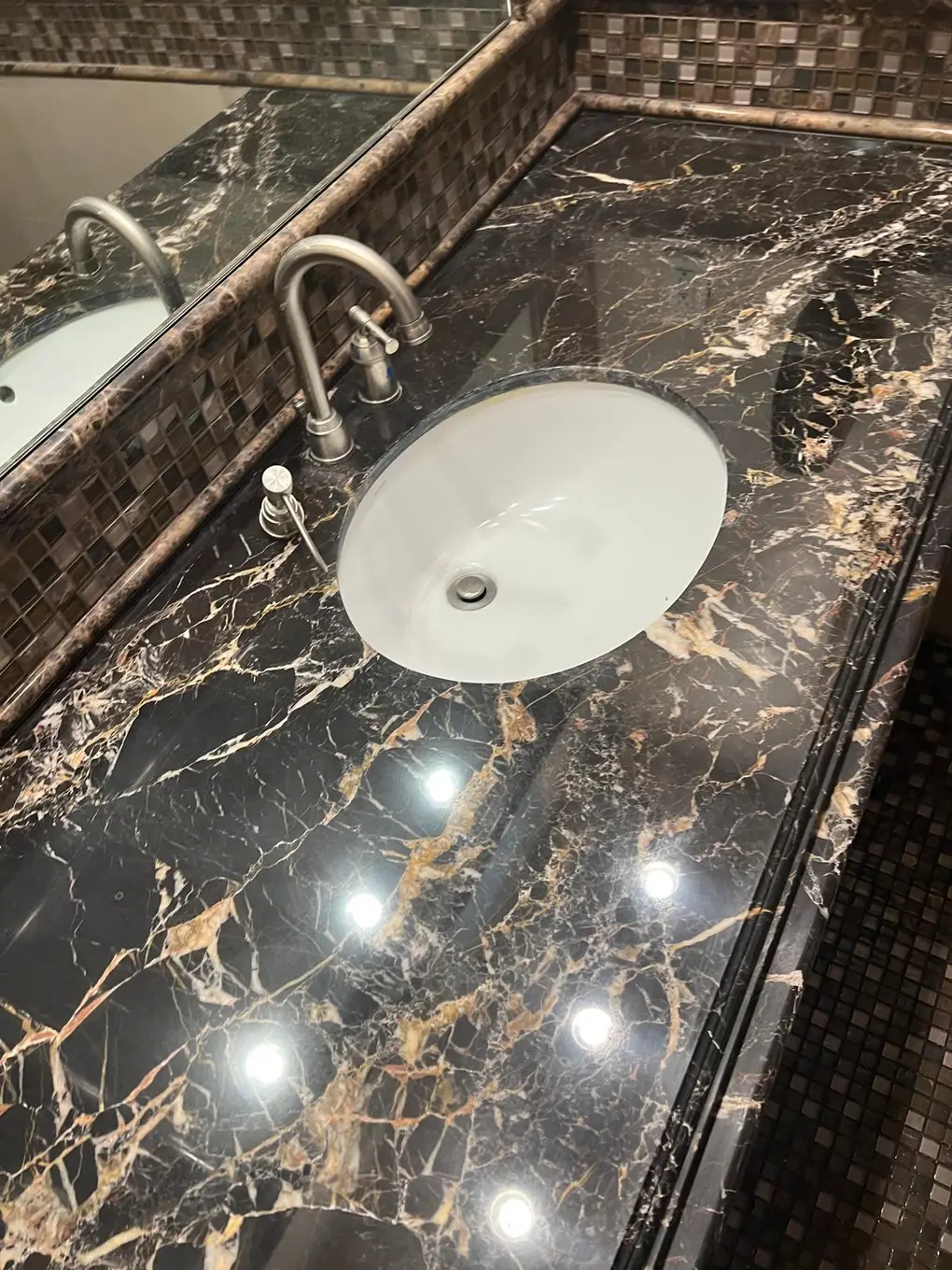
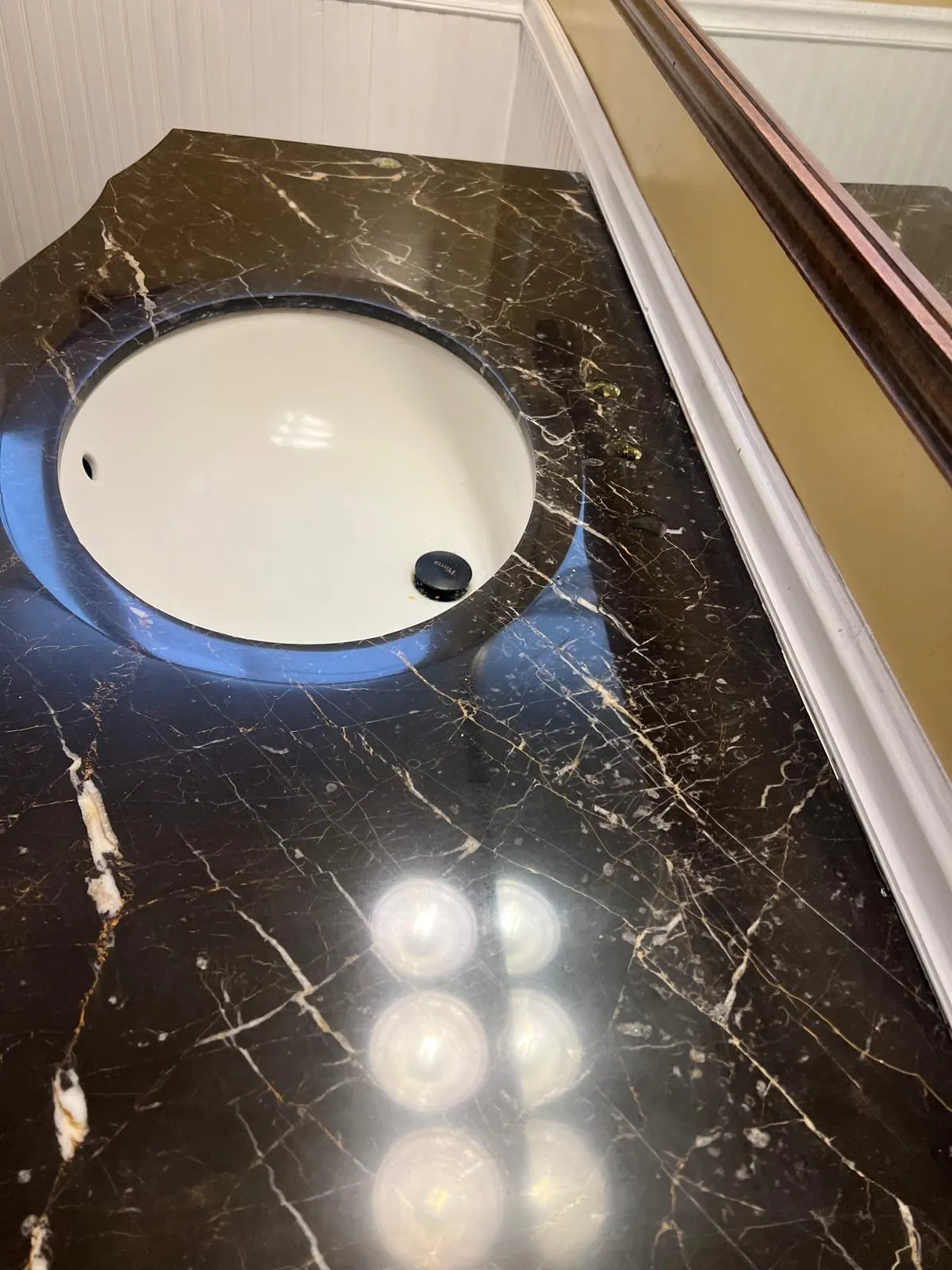
A small countertop with heavy etching can require more careful work than a larger, lightly worn room. Deep grinding, lippage correction, coating removal, stain treatment, edges, stairs, and tight access all change the labor and process.
Stone hardness, porosity, existing finish, and the desired result also matter. A quote should describe the work rather than reduce the project to a generic price per square foot.
How should you compare stone restoration estimates?
Ask whether cleaning, preparation, finish work, sealing, furniture handling, protection, and aftercare are included. Confirm what the finished sheen will be and what happens if the technician finds a hidden coating or structural issue.
An on-site estimate gives you a more reliable scope than a photograph alone. The goal is a durable restoration plan, not a number that leaves important steps out.
Why does the material change the restoration scope?
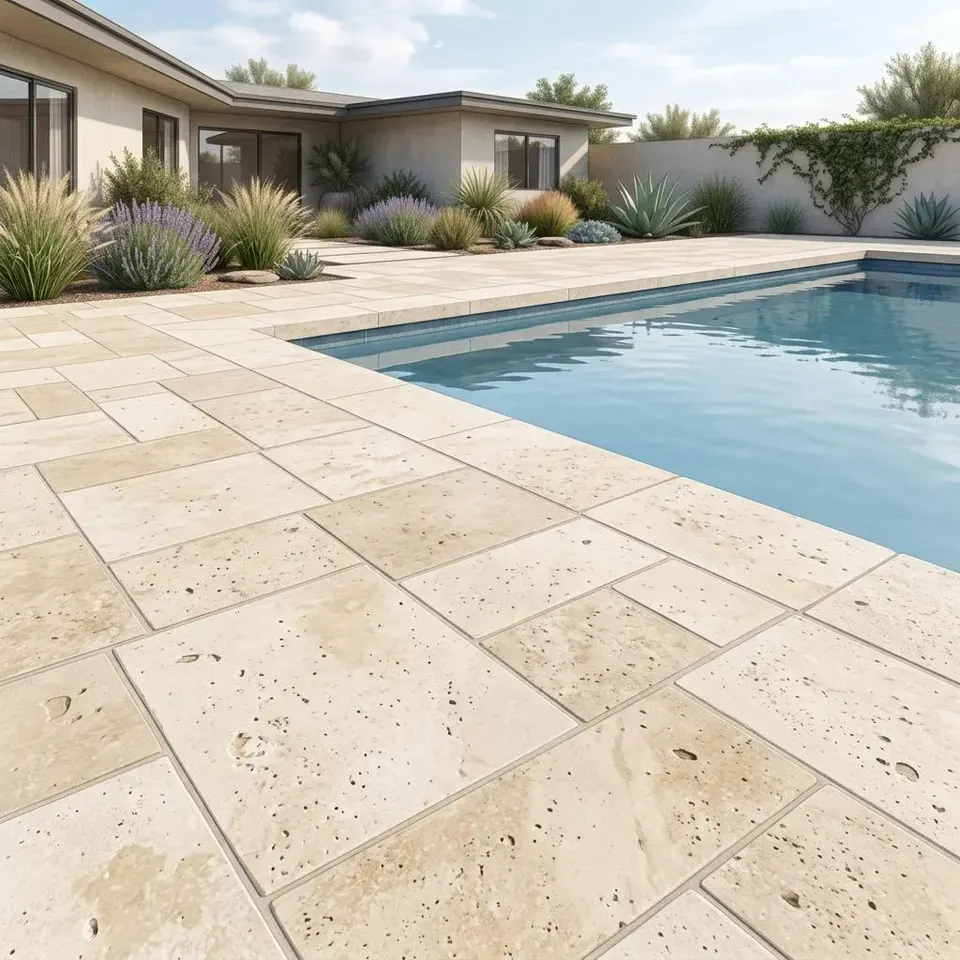
Marble, travertine, limestone and other surfaces do not respond identically to cleaning or abrasive work. Porosity, mineral composition, existing fill and decorative details influence the preparation and finishing method. Even adjoining pieces can react differently if a floor contains replacements or mixed materials. The Natural Stone Institute recommends understanding the stone before choosing care products; the same principle helps define restoration. A quotation based only on a room photograph can miss those differences. Identify the material where possible, but label uncertain information honestly instead of guessing from color or a familiar trade name.
How do the depth and spread of damage affect work?
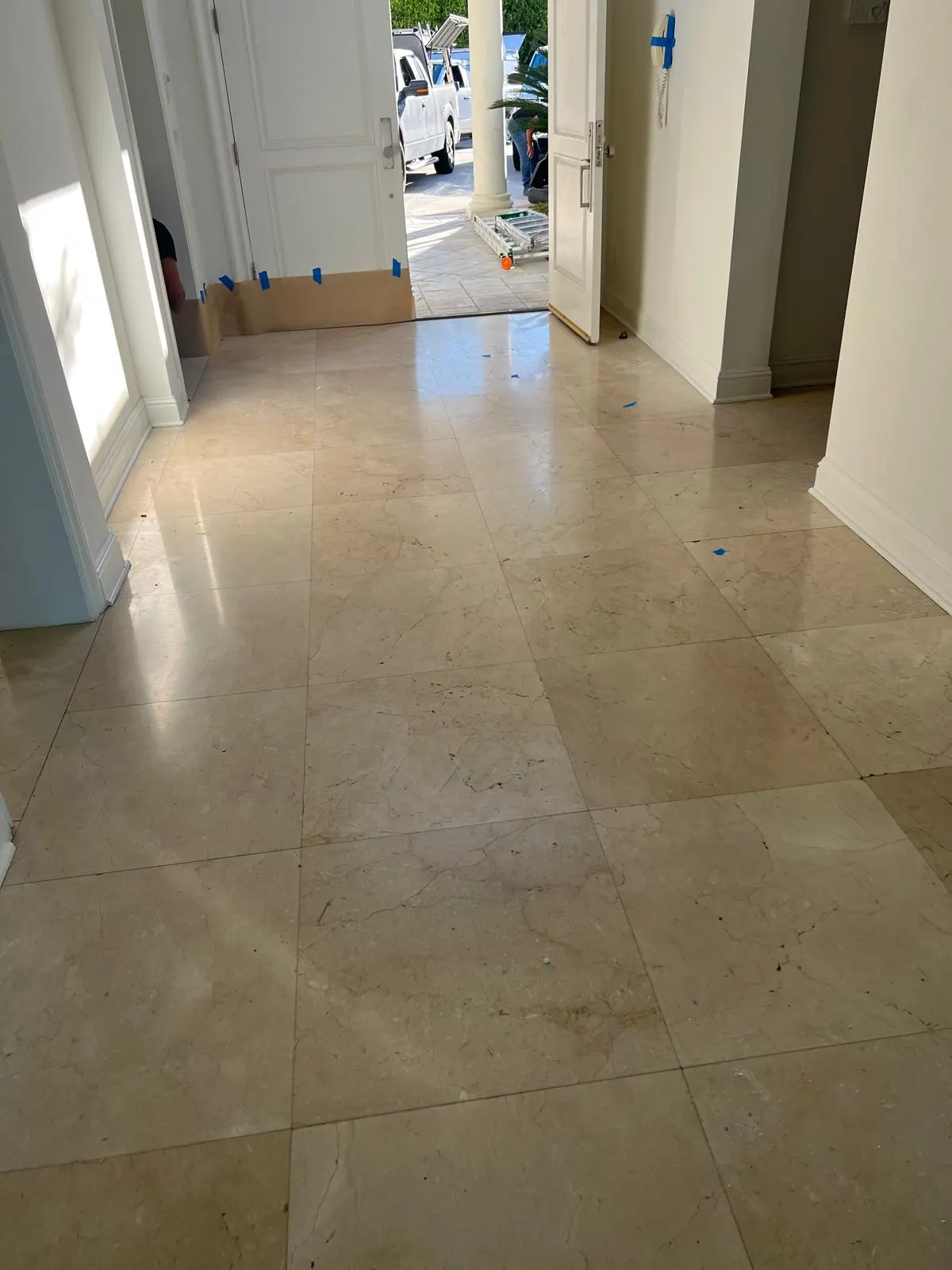
General dullness, isolated etching, deep grooves and raised tile edges describe different tasks. A floor needing residue removal and light refinement is not equivalent to one requiring substantial surface correction. Damage distribution matters as well: scattered marks may require a wider treatment area to obtain a consistent appearance. Stains can need a separate assessment because a discolored patch is not necessarily a surface defect. Describe which symptoms matter most to you and ask which are included in the proposed work. The estimate should not imply that polishing alone resolves every visible problem.
Why can preparation change an otherwise simple estimate?
Old wax, adhesive residue or an unknown topical finish can conceal the true condition of stone. Removing that material may be necessary before a reliable finish sample can be evaluated. Surrounding wood, metal, cabinetry and adjoining floors may need protection appropriate to the proposed products and equipment. Discuss how furniture, fragile belongings and occupied rooms affect access rather than assuming they are all included. Preparation is not merely an optional extra when it is needed to perform the agreed treatment responsibly. Equally, ask the assessor to distinguish necessary preparation from work that does not apply.
How do edges, stairs and access differ from open floors?
An open room provides a different working environment from narrow stair treads, a curved counter edge or stone tucked beneath fittings. Those details may require separate tooling, hand work or more careful protection of adjacent materials. Building access, equipment routes and usable work space can also affect the plan. Tell the company about entry restrictions, occupied areas and any property-management requirements before the estimate is finalized. Describe actual conditions rather than assuming a standard difficulty allowance. The important comparison is whether each proposal covers the same surfaces and practical constraints, not which headline description sounds simplest.
Does choosing more shine automatically mean better value?
The appropriate finish depends on the stone, its use and the appearance you want, not a hierarchy where the glossiest option is always best. Changing sheen may involve different preparation from maintaining an existing finish. Ask to see a representative sample and explain whether adjoining rooms should match or remain distinct. A sample establishes an appearance target, not a guarantee that every defect will vanish. If an estimate uses broad terms such as polish or restore, ask what happens to the stone itself and whether any topical product is proposed as part of that result.
What makes estimates genuinely comparable?
Read each scope alongside the others and mark differences in included surfaces, cleaning, coating removal, repairs, abrasive stages and protection. Ask who handles furniture and what condition the area should be in before work starts. Check whether stain treatment, sealing and aftercare instructions are included or require a separate decision. Record unresolved installation concerns instead of treating them as ordinary finish work. An assessment from Elite Marble Care can clarify the proposed stone-care scope, but it should not be read as structural, plumbing or waterproofing certification. Meaningful comparison starts with matching responsibilities and limitations.
Quick checklist
- Describe the material, surface condition and finish you want to retain.
- List coatings, previous repairs and cleaning products already used.
- Compare preparation, treatment boundaries, protection and exclusions in writing.
- Agree how unexpected conditions will be discussed before extra work proceeds.
Clear answers
Frequently asked questions
Does a smaller stone area always cost less to restore?
Not necessarily. A compact surface with difficult edges, extensive damage or restricted access may need more careful preparation than an open, lightly worn floor. Compare the actual treatment plan rather than assuming area determines the whole estimate.
Should sealing be included in every restoration estimate?
Sealing should be considered according to the material, absorption and intended use. It is a separate protection decision, not the step that creates a polished finish. Ask whether it is recommended, included or excluded and why.
What if a hidden coating is discovered?
Ask for the revised condition, proposed preparation and effect on the agreed scope to be explained before authorizing additional work. A useful estimate distinguishes established findings from assumptions rather than treating every concealed condition as already resolved.
Sources
Not sure which service your stone needs?
Elite Marble Care can assess the surface in person, explain the restoration sequence, and provide a free on-site estimate across Greater Los Angeles.