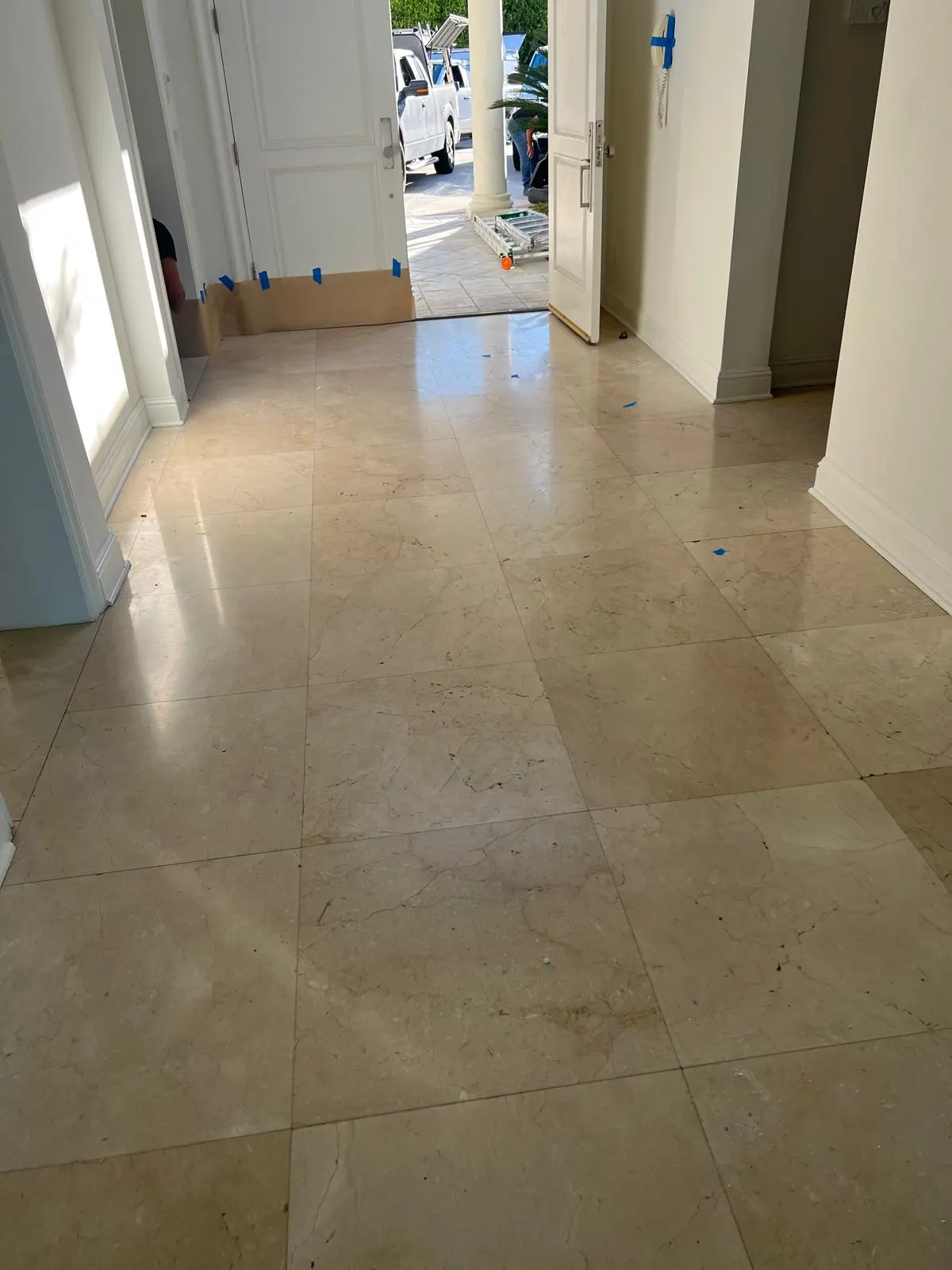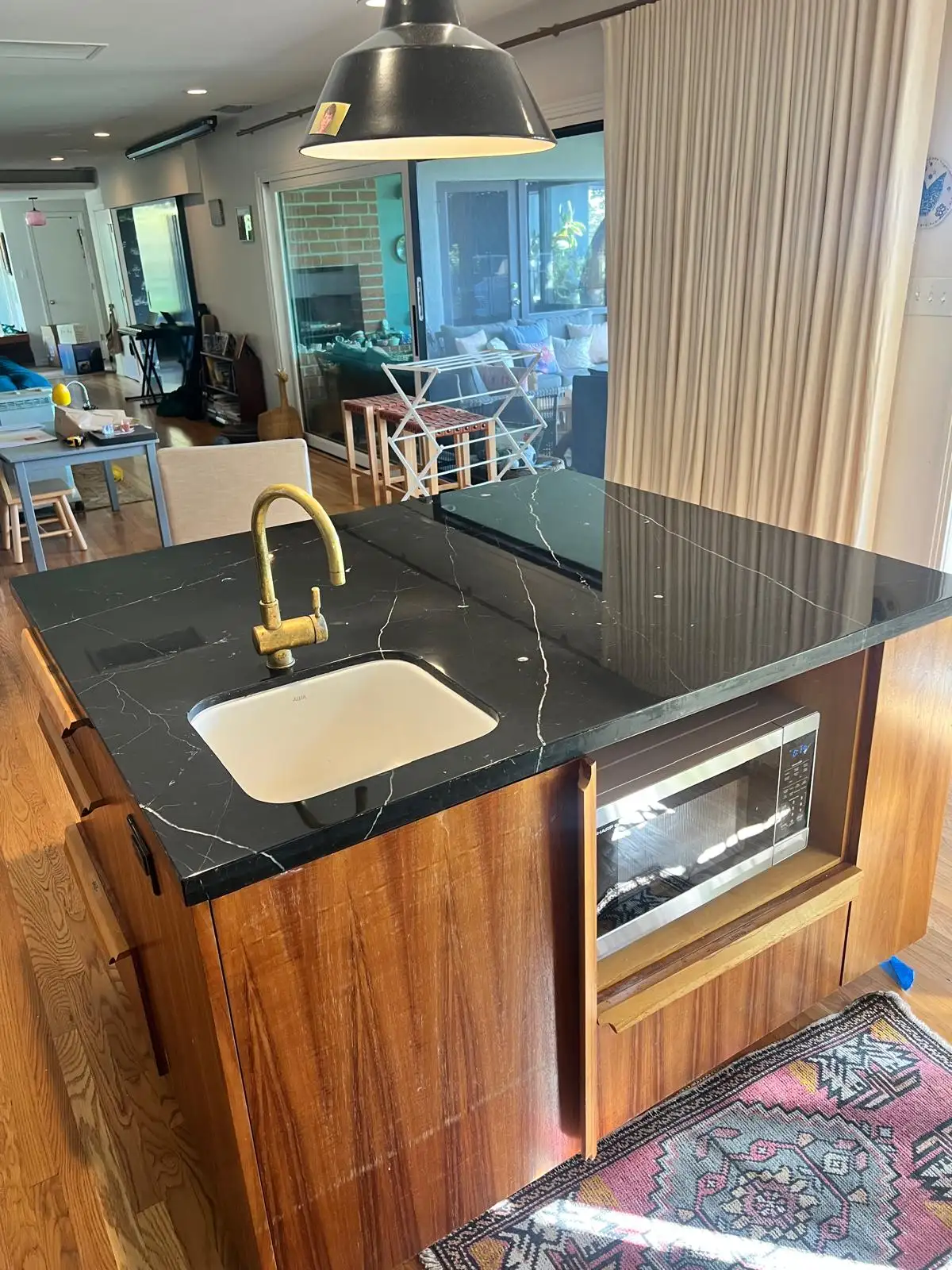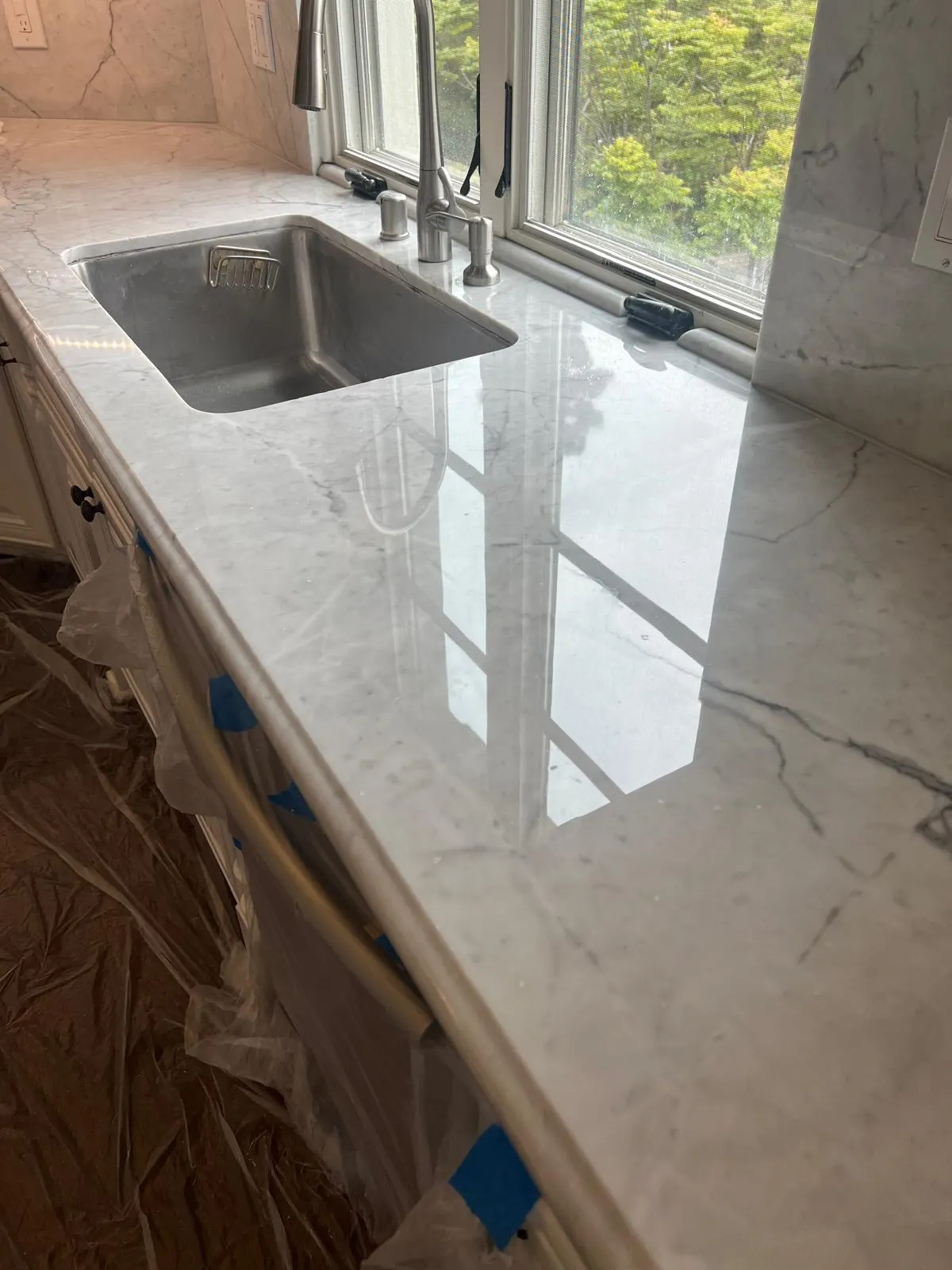
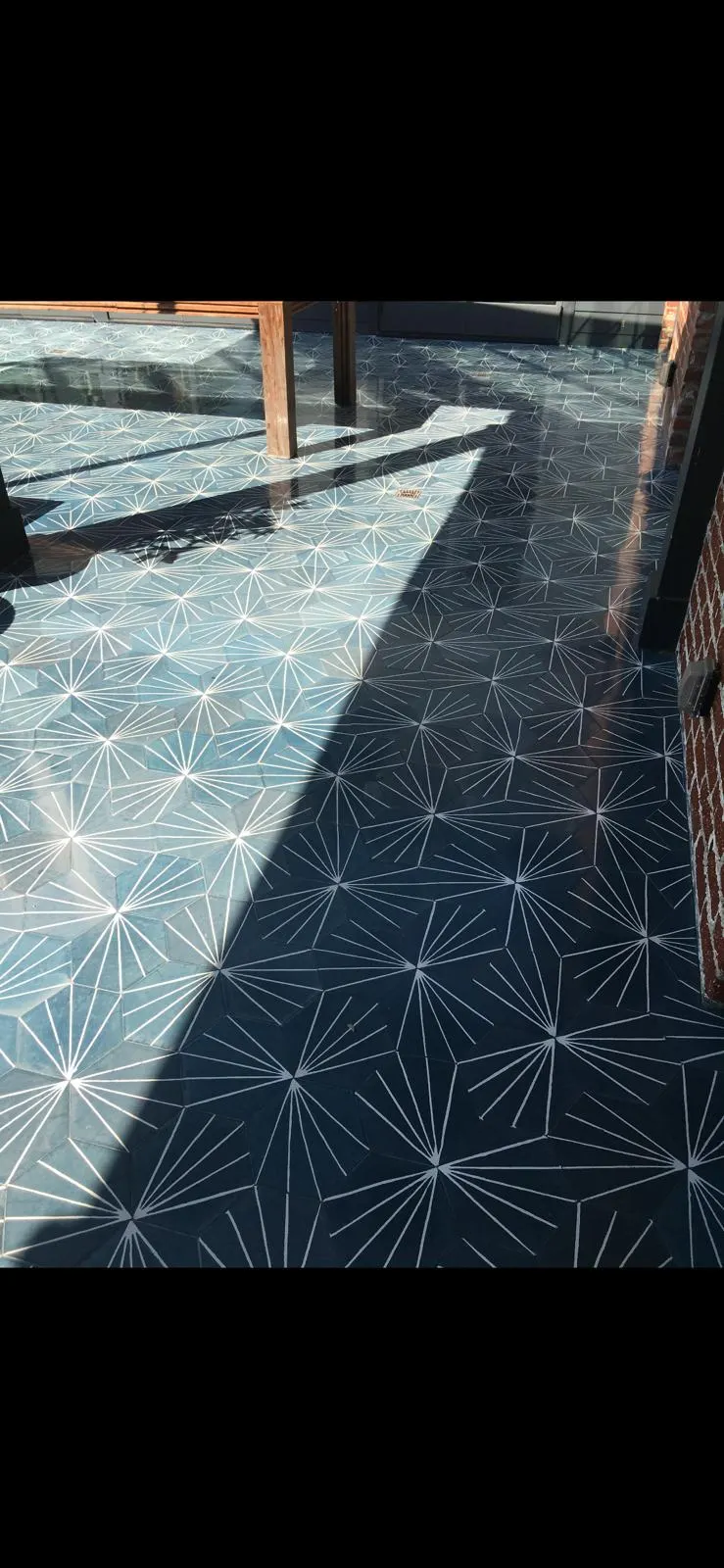
What should you know about look at texture and pattern?
Travertine often shows natural voids and a more open, linear character. Marble commonly has flowing veins and a denser appearance. Limestone can be more uniform and softly textured. These are clues, not guarantees.
A filled travertine tile can look very different from an unfilled one, and a polished finish can hide the texture that would help identify the material.
What should you know about why identification matters?
Acidic cleaners that damage marble can also etch limestone and travertine. Abrasive tools that are acceptable for one surface may be too aggressive for another.
If you do not know the stone, test an inconspicuous area or ask a restoration professional. Correct identification prevents a cleaning problem from becoming a refinishing project.
Quick checklist
- Identify the stone and existing finish before selecting a product.
- Record the symptom and which cleaning methods have already been tried.
- Compare the proposed treatment with a representative sample where appropriate.
- Keep the agreed scope and material-specific aftercare instructions together.
Clear answers
Frequently asked questions
What should you know about look at texture and pattern?
Travertine often shows natural voids and a more open, linear character. Marble commonly has flowing veins and a denser appearance. Limestone can be more uniform and softly textured. These are clues, not guarantees.
What should you know about why identification matters?
Acidic cleaners that damage marble can also etch limestone and travertine. Abrasive tools that are acceptable for one surface may be too aggressive for another.
What should I include when requesting an assessment for stone types?
Describe the stone, where it is installed, the finish you want to keep or change, and what happened before the problem appeared. Share any previous treatments or cleaner labels. Photographs help explain the concern, but an on-site assessment may still be needed to establish the appropriate scope and limitations.
Sources
Not sure which service your stone needs?
Elite Marble Care can assess the surface in person, explain the restoration sequence, and provide a free on-site estimate across Greater Los Angeles.