Back to Services

Marble Countertop Restoration

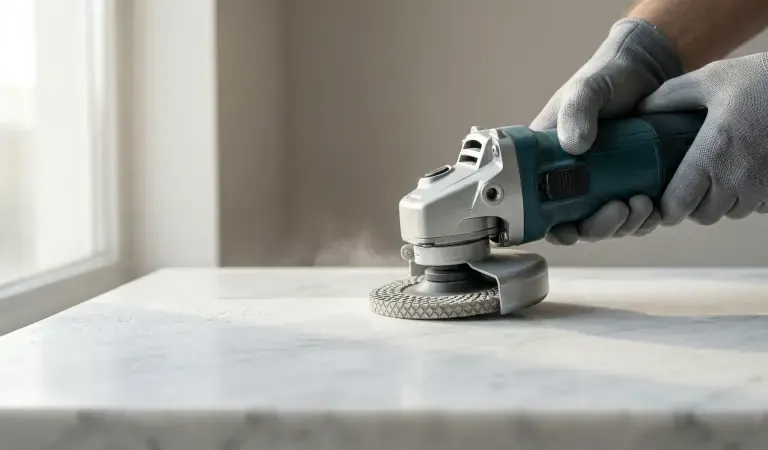
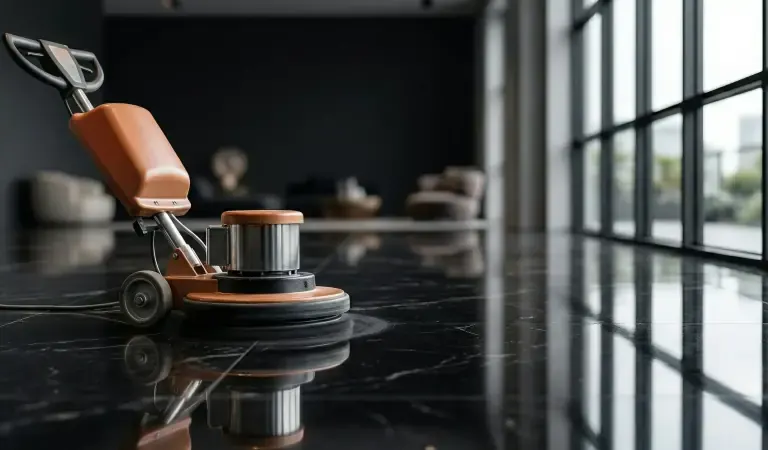
Quick answerMarble countertop restoration addresses etching, dull halos, light scratches, water rings, and uneven sheen on Los Angeles kitchens, islands, vanities, and surrounds. A technician checks the whole connected surface, edge profile, sink and backsplash details, and prior treatments to decide whether cleaning or controlled honing and polishing can produce a coherent finish.
  • Licensed & Insured
  • 25+ years in business
  • 4.9 rating · Yelp and Google
  • Dust-free wet process

What to expect from marble countertop restoration

Best forEtch marks, dull halos, and lost polish around sinks and prep areas; Light scratches, water rings, residue, and inconsistent sheen on marble counters; Kitchen islands, vanities, fireplaces, and surrounds that need an even finish
Stone typesMarble countertops, islands, and vanities
Typical time on siteConfirmed during the on-site assessment
Dry / cure timeDepends on the material and selected process
How long results lastVaries with finish, use, and maintenance

A considered approach

Our process

  1. 1

    Read the counter in its real lighting

    The assessor looks at reflections from several directions and checks prep zones, sink edges, water rings, backsplash transitions, islands, and the finish in adjacent areas.

  2. 2

    Distinguish residue from etching

    You review which marks may clean away and which appear to be acid etching, scratches, stains, or old topical product. Chips and seams are noted separately from surface finish.

  3. 3

    Choose the blend area and sheen

    A discreet test and discussion of honed or polished appearance help establish how a repair might blend. The estimate identifies the connected surfaces involved and any limits.

  4. 4

    Review the finished counter

    After the agreed process, the surface and edges are reviewed together. Care guidance covers neutral cleaning, quick spill response, and protection without implying marble becomes etch-proof.

Recognize etching before treating it

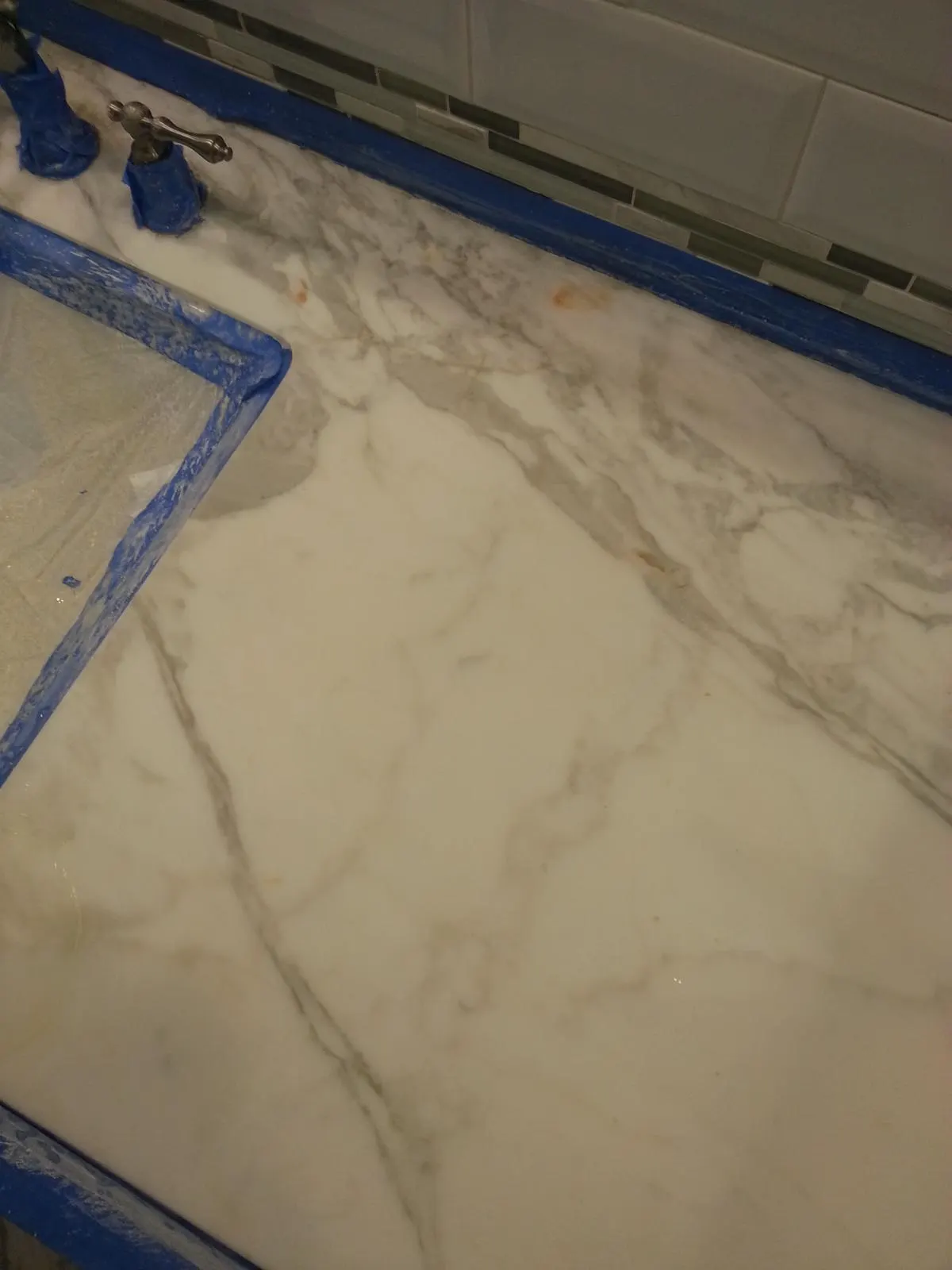
A pale ring near a glass, dull patch beside a lemon, or cloudy area around a faucet often reflects a change in the marble surface rather than something sitting on top. If ordinary stone-safe cleaning does not change the mark, stronger household cleaners are unlikely to help and can cause further etching. An on-site inspection distinguishes soil, mineral deposit, stain, and acid damage.

Sealer helps reduce liquid absorption on appropriate marble; it does not prevent acid from reacting with the surface. Citrus, wine, vinegar, tomato, and some bathroom products can etch marble even after sealing. The restoration discussion should set a realistic finish expectation and include daily-use habits, especially around sinks, cooking areas, and beverage stations.

A small mark can need a larger blend

Marble reflects light, so a very localized polished patch in a honed counter can appear brighter than the surrounding plane. The assessment considers the connected countertop run, island, backsplash, and visible edges to determine whether the refinement should extend beyond the mark. The aim is a consistent transition, not simply to make one spot shine.

Edge profiles and cutouts need deliberate attention. Water rings at a faucet, etching around a sink, and a chip at an overhang are different conditions and may require distinct methods. A crack near a cutout, failed seam, or unsupported edge belongs in a repairability review before refinishing. Share previous repairs and any history of cabinet or plumbing work.

Select a finish you can maintain

Honed marble has a softer, lower-reflectivity appearance; polished marble reflects more strongly. Neither finish is immune to wear, staining, scratches, or acid. The appropriate choice depends on the existing stone, how the counter is used, visible adjoining surfaces, and the owner's tolerance for patina. Discuss whether the desired result is to preserve the current character or change the sheen.

A technician can explain a test area and the limitations of spot blending before broader work. Color variation and natural veining remain part of the stone, and a refinement cannot remove every deep mark without changing the surface more substantially. An estimate should distinguish cleaning, abrasive refinishing, repair assessment, and sealing rather than treating them as one service.

Protect a working kitchen

Use a pH-neutral stone cleaner and a soft cloth for routine cleanup. Blot or wipe acidic spills promptly, use cutting boards for food preparation, and set hot cookware on a trivet. Avoid abrasive pads and powders, which can change the reflectivity around a small area and create a new problem while addressing the first.

If a penetrating sealer is recommended, understand that it is for absorption and staining concerns, not acid resistance or shine. Check the particular counter's absorption in an inconspicuous area and follow the product guidance provided after restoration. A recurring dark area, opening seam, or damp edge should be investigated for its source instead of repeatedly sealed.

Service overview

Marble countertop restoration refines etch marks, dullness, light scratches, water rings, and worn finish on kitchens, islands, vanities, and other stone surfaces.

Before the Appointment

Clear the surface and point out etching, stains, chips, seams, water rings, and prior treatments. We assess the edge profile, backsplash, adjacent finish, and surrounding damage before choosing a repair area and abrasive sequence.

Aftercare and Maintenance

Use a pH-neutral stone cleaner and soft cloth, wipe acidic spills quickly, and use cutting boards and trivets. Penetrating sealer may reduce absorption but does not prevent acid etching or scratching.

Chips, cracks, loose pieces, and movement need a separate natural stone repair assessment before surface refinishing. Natural stone repair assessment

Frequently Asked Questions

Can etch marks be removed from marble countertops?

Light etching can often be improved through professional honing or polishing. The process is selected to blend the surrounding sheen so a small repair does not leave a brighter halo.

Is a dull marble countertop dirty or damaged?

It can be either. Residue may clean away, while a dull ring or hazy patch can be etching or loss of polish in the stone itself. An assessment separates cleaning from refinishing.

Does sealing stop marble from etching?

No. Penetrating sealer helps slow absorption and staining, but it does not make marble acid-proof. Citrus, vinegar, wine, and harsh cleaners can still etch the surface.

Why does a glass ring remain after wiping my marble counter?

It may be an etch that changed the marble surface rather than residue left by the glass. Assessment determines whether it is etching, a stain, or buildup and whether honing or polishing is appropriate.

Can you restore only the area around my kitchen sink?

The area can be assessed, but restoring only a small patch may create a visible sheen difference. The surrounding counter and edges determine how wide a blend may need to be.

Why do the sink and countertop edges matter?

Fixtures and edge profiles affect access and how refinishing can blend across the countertop. Identify marks near sinks, backsplashes, cooktops, and seams, not only the open center of the slab. Explain any previous spot treatment. The proposed scope should account for these details rather than assume a small polished patch will match the entire surrounding marble.

Ready to Restore Your Stone?

Planning protection after restoration? Explore RAKU marble protection and ask whether an anti-etch coating suits your stone and finish.

Every project begins with a free, on-site assessment. We will identify the condition of the stone, explain the appropriate process, and provide a clear estimate before work begins. Request your free estimate or call (818) 903-0970.

See our stone care tips for practical maintenance advice.

Read more stone restoration guides or browse our service areas.

Related Services

Restoration by Material and Property

Serving Greater Los Angeles

Last updated